Checkout is temporarily unavailable while we resolve a technical issue. We apologize for the inconvenience and appreciate your patience.

Our Blog

Era Spotlight: Everyday Life and Arms on the American Frontier

Life on the American Frontier was defined by self-reliance, mobility, and constant adaptation. Firearms did not serve as symbols of spectacle or excess. People used them as practical tools for hunting, protection, trade, and survival. Understanding how arms fit into everyday frontier life helps collectors, educators, and reenactors present this era accurately and respectfully. This guide explores daily life in the American Frontier period, how firearms were used by ordinary people, and what these weapons represented beyond popular Western myths. As a result, understanding their role requires looking beyond popular myths. What was everyday life like on the American Frontier? Daily life on the frontier was demanding and labor-intensive. Settlers, traders, and families lived far from established infrastructure, often relying on themselves for food, safety, and basic repairs. Most frontier households focused on: Life conditions varied by region, but isolation and unpredictability were constant. Tools, including firearms, were valued for function rather than status. Why were firearms essential tools in frontier life? People relied on firearms as practical necessities, not luxury items or constant companions. A single firearm often filled multiple roles within a household. Common uses included: Because firearms were expensive and difficult to replace, owners maintained them carefully. Ammunition was conserved, and misuse carried real consequences. What types of arms were commonly used on the frontier? The most common frontier firearms were simple, durable, and easy to repair. Widely used arms included: Firearms were often selected based on availability rather than preference. A person might use the same weapon for decades, passing it down through generations. How did frontier firearms differ from popular Western portrayals? Modern portrayals often exaggerate the frequency of gunfights and daily weapon use. In reality, firearms were used sparingly and responsibly. Key differences include: Understanding these differences helps prevent oversimplified or inaccurate representations of

Read On

Replica Weapon Ethics: How to Display and Use Non-Firing Guns in Public Safely and Respectfully

Replica firearms play an important role in education, historical preservation, film, theater, and reenactment. Trigger Replicas specializes in providing non-firing historical weapon replicas that are designed for safe display and responsible use. However, even when a replica is completely non-firing, how it is displayed or used in public settings matters. Ethical handling helps prevent misunderstandings, protects public safety, and preserves the credibility of collectors, reenactors, and production teams. This guide explains how to display and use non-firing replica guns responsibly, why ethics matter, and what best practices help ensure safety and respect in public or semi-public spaces. What are replica weapons, and why do ethics matter? Replica weapons are non-functional reproductions of historical or modern firearms designed for display, costuming, education, or performance. While they cannot fire, many replicas are visually indistinguishable from real weapons at a distance. Ethics matter because public perception does not rely on technical details. A passerby, audience member, or law enforcement officer may not know whether an object is real. Ethical use focuses on minimizing fear, avoiding confusion, and respecting the safety of others. Responsible behavior protects not only the public but also the future availability and acceptance of replica weapons in educational and creative spaces. How can non-firing replicas still create safety concerns? Even inert replicas can trigger real-world consequences if handled improperly. Common risks include: Ethical use is not about restricting enjoyment or creativity. It is about understanding how replicas are perceived outside controlled environments. How should replica firearms be displayed in public settings? When replicas are displayed publicly, visibility and context are critical. Best practices include: A well-labeled and thoughtfully arranged display communicates intent clearly and reduces misinterpretation. What are ethical guidelines for using replica guns in reenactments or performances? Reenactments and productions often require realism, but safety and respect must remain

Read On

How Replica Guns Teach Firearm Safety to Beginners

What Is the Safest Way for Beginners To Learn Firearm Basics? For new shooters, the safest way to understand firearms is through hands-on learning without risk. Many beginners feel anxious around live firearms, especially in the first stages of training. Replica guns create a controlled environment where students learn foundational skills without the pressure of live ammunition, recoil, or noise. Replica guns from Trigger Replicas are non-firing and legally safe, yet they offer authentic weight, feel, and moving parts. This allows instructors to teach essential safety techniques with confidence that no accidental discharge is possible. Why Are Replica Guns Effective for Teaching Firearm Safety? Replica guns work extremely well in training because they allow students to focus on technique first. New learners can safely practice: Since replicas cannot fire, instructors can correct form and safety habits immediately. This builds muscle memory before students graduate to handling real firearms. The realism of Old West rifles, flintlock pistols, revolvers, and European replica guns helps students understand historical firearm mechanics while reinforcing universal safety rules. How Do Replica Guns Reduce Anxiety for First-Time Learners? Many beginners struggle with fear when they first handle firearms. Noise, recoil, and the responsibility of holding a live weapon can overwhelm new students. Replica guns remove these stressors and allow learners to build confidence at their own pace. With replicas, students become familiar with: This calmer learning environment results in stronger retention and better safety behavior when students eventually transition to real firearms. What Safety Lessons Can Instructors Teach Using Replica Guns? Replica firearms support nearly every core lesson in basic firearm safety. Instructors can use replicas to demonstrate: 1. Treat every firearm as if it can fire Even though replicas cannot discharge, students practice what it means to handle any gun with respect and discipline. 2. Keep

Read On

How to Maintain Metal and Wood Replica Pistols: A Collector’s Care Guide

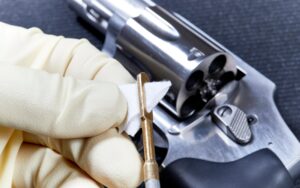
What Is the Best Way to Maintain a Metal and Wood Replica Pistol? Replica pistols are prized because they look and feel like historical originals, but they still require basic care to stay beautiful, functional, and display ready. Proper maintenance prevents rust, fading, loose parts, and long term wear. Collectors should follow regular cleaning habits, protect both the metal frame and the wooden grips, and store replicas safely away from moisture or direct sunlight. Replica pistols from Trigger Replicas already arrive with durable finishes and solid construction, and a consistent care routine keeps them looking authentic for decades. How Do You Clean Metal Parts Without Damaging the Finish? Metal components of replica pistols cannot fire ammunition, but they can still oxidize or collect dust over time. Gentle cleaning protects the metal surface without causing scratches. Recommended steps for metal care: Collectors often forget that humidity affects display pieces, so ovens, garages, and damp rooms can accelerate tarnish. A controlled environment extends the life of the finish. How Do You Preserve Wooden Grips or Stocks on Replica Pistols? Wood components can dry out, crack, or fade when exposed to heat or sunlight. Replica pistol grips need occasional conditioning to stay rich in color and smooth to the touch. Best practices for wood preservation: Quality replicas from Trigger Replicas often use hardwood with realistic finishes, so light maintenance is all they need to stay attractive and tactical in appearance. How Should Collectors Store Replica Pistols to Prevent Damage? Storage is just as important as cleaning. Improper storage can lead to rust, wood drying, or mechanical stiffness. Safe storage tips: Collectors who rotate their displays or move replicas between cases should perform a quick inspection each time to ensure there is no beginning rust or loose hardware. How Often Should You Maintain Your

Read On
Lever-action rifle with a wooden stock and brass receiver lying on dry grass and broken wooden planks in a rustic outdoor setting

From Westerns to WWII: A Look at the Most Popular Replica Firearm Eras

Replica firearms are more than collectibles. They connect modern enthusiasts to the craftsmanship, engineering, and historical moments that shaped entire eras. Whether you collect Old West revolvers, colonial flintlocks, or WWII sidearms, each time period has a distinct personality that influences how replicas look, feel, and function. In this guide, you will explore the most popular historical eras for replica firearms, what makes each period unique, and why collectors continue to seek out these models today. What Makes Certain Historical Eras More Popular Among Collectors? Collectors gravitate toward weapons that tell compelling stories. Some eras have become perennial favorites because they reflect important turning points in warfare, craftsmanship, or culture. The most collected eras often share three qualities: Trigger Replicas focuses on these highly sought-after eras because they blend strong aesthetics with high collectability. Why Are Old West Firearms Some of the Most Beloved Replicas? The Old West remains one of the most popular eras for collectors in the United States. The firearms of the frontier are legendary because they symbolize adventure, lawmen, outlaws, and westward expansion. What Defines Old West Replica Firearms? Old West replicas often include: These firearms have distinctive design elements such as brass frames, color case-hardening, long barrels, and wood grips that make them visually striking. Why Do Collectors Love This Era? Classic revolvers modeled after Colt or Remington designs remain top sellers because they capture the spirit of the frontier with unmatched visual appeal. What Makes Colonial and Flintlock Eras Appealing to Collectors? Long before the revolver became iconic, flintlocks dominated the battlefield and the world of personal defense. This era is rich in craftsmanship because most firearms were handmade with intricate details. What Defines Colonial and Flintlock Replicas? These replicas often feature: Many of these pieces include brass furniture, curved grips, carved stocks, and

Read On
Black revolver with an ivory-colored grip engraved with a longhorn steer head, resting on a weathered wooden log in a dry, outdoor setting

Collecting Replica Firearms: How to Build a Historically Accurate Display

A great replica firearm collection tells a story. It captures an era, a culture, or a moment in history. Whether you collect Old West revolvers, colonial flintlocks, or European military pistols, the way you display each piece can elevate your entire collection from “cool shelf items” to a museum-quality historical set. Creating this kind of display is not complicated. It simply requires thoughtful planning, accurate context, and a few proven museum techniques. In this guide, you will learn how to choose themes, arrange your pieces, select backgrounds, and use props that support authenticity without distracting from the replicas themselves. Why Does Historical Accuracy Matter in Replica Displays? Historical accuracy does more than make a display look impressive. It helps viewers understand how replicas fit into their time period. It also honors the craftsmanship behind these models, especially when they are made with museum-level attention to detail, such as the pieces offered by Trigger Replicas. Accurate displays can: A replica firearm becomes more meaningful when it sits alongside items that belonged to its era. This context is what turns a simple shelf into a historical vignette. How Do You Choose a Theme for Your Display? Every strong display begins with a theme. The theme does not need to be complex. A single era, figure, or region is enough to ground the arrangement. Here are popular and highly effective themes for collectors: 1. Old West Frontier Ideal for: Kolser replica revolvers, lever-action rifles, cavalry models Supporting items: leather holsters, playing cards, sheriff badges, horseshoe nails, ranch tools 2. Early American Colonial Ideal for: flintlock pistols, long rifles, dueling models Supporting items: parchment maps, wax seals, quill pens, wooden powder flasks 3. European Military or Napoleonic Era Ideal for: ornate pistols, officer swords, presentation pieces Supporting items: medals, uniform buttons, period documents, regimental

Read On
Replica firearm on wooden surface, showcasing detailed craftsmanship and design, relevant to photography techniques for documenting collectible firearms.

Shoot Like a Curator: How to Photograph Replica Firearms for Museum-Level Results

A well-crafted replica firearm deserves more than a quick snapshot. Whether you’re documenting your personal collection, selling online, or curating a themed display, the way you photograph a replica can make the difference between “nice piece” and “museum-worthy.” Museum curators and catalog photographers know that outstanding images are equal parts art, science, and respect for history. With a few simple tools and techniques, you can capture your replicas with the same care and precision professionals use for rare antiques. Here’s how to shoot like a curator; no studio degree required. 1. Prepare Your Replica and Workspace Before lighting or lenses come into play, preparation is everything. Clean your replica carefully with a microfiber cloth to remove fingerprints and dust. Avoid harsh cleaners, as even small residue can catch light and dull fine details. Set up your workspace in an area with stable lighting and minimal distractions. A sturdy table or photo surface about waist height works best. Lay out your backgrounds, lighting, and props before you begin so you can move efficiently between angles. Keep safety in mind throughout the process. Even though Trigger Replicas’ models are non-firing, always treat them respectfully, avoiding public-facing windows or spaces where their appearance could cause concern. 2. Master the Lighting Setup Lighting is the single biggest factor that separates casual photos from professional results. Museum photographers favor soft, even light that reveals surface details without harsh reflections. The ideal setup uses: If you’re working with limited equipment, a bright window with sheer curtains can create a beautiful diffused glow. Avoid overhead lighting or direct flashes, as these produce glare on metal finishes. For glossy barrels or nickel plating, experiment with polarizing filters or a circular polarizer on your camera lens. This reduces specular reflections and preserves true color. 3. Choose the Right Backgrounds

Read On
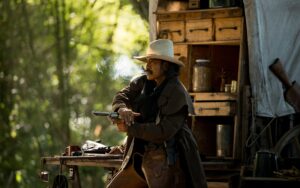
Person in Western attire with a holstered non-firing replica firearm, facing another individual in a historical reenactment setting.

Public Events Playbook: Safely Bringing Non-Firing Replicas to Cons, Fairs, and Reenactments

Whether you collect historical replicas, cosplay your favorite Western hero, or volunteer at living history events, bringing non-firing replicas into public spaces requires planning. Safety and compliance are not only expected, but they also help protect the hobby’s reputation. With more conventions, fairs, and reenactments resuming across the country, now is the time to refresh your knowledge of replica regulations and etiquette. This playbook covers what to know before you pack your prop: from peace-bonding and transport to signage and photo-op etiquette. 1. Know the Replica Prop Rules Before You Go Every event has its own guidelines for display and prop weapons. Some conventions allow non-firing replicas if they are clearly marked, while others may prohibit them entirely. Before attending, read the venue’s weapons or prop policy on their official website or event guide. Look for rules that define what qualifies as a non-firing or prop weapon. Many venues follow a “zero functional weapon” rule, meaning anything capable of chambering ammunition, firing blanks, or discharging a projectile is not allowed. If your piece has moving parts or realistic weight, bring documentation that identifies it as a non-firing replica, such as a manufacturer card or receipt from Trigger Replicas. This can simplify discussions with security or event staff and help avoid delays at entry. 2. Understand the Peace-Bonding Process Peace-bonding is a visual confirmation that your prop has been inspected and cleared. It usually involves a zip tie, tag, or seal applied to your replica’s trigger, hammer, or holster after security verification. At most conventions, you will find a weapons check station near the main entrance. The process is quick: staff verify the replica cannot fire, apply a visible bond, and may give you a card noting the approval. Always keep this bond visible while inside the venue. For reenactments and

Read On
Person in cowboy attire adjusting a replica revolver in a holster, set against a desert landscape, enhancing Halloween costume authenticity.

Replica Firearms for Halloween: How to Take Your Costume to the Next Level

When it comes to Halloween costumes, the smallest details can make the biggest difference. Whether you’re dressing up as a cowboy from the Old West, a World War II soldier, a daring pirate, or even a famous movie hero, props transform your outfit from good to unforgettable. That’s where replica firearms come in. Non-firing, highly realistic replicas add authenticity and depth to your costume without sacrificing safety. They bridge the gap between casual dress-up and a performance-level look, helping you stand out at any party, event, or trick-or-treat outing. Why Do Replica Firearms Make Halloween Costumes More Authentic? Most Halloween costumes come alive through storytelling. A cowboy without his rifle, or a pirate without his flintlock, feels incomplete. Replica firearms, made to mimic historical or pop-culture weapons, enhance that storytelling by giving costumes a sense of time, place, and character. Unlike generic plastic props, high-quality replicas look like the real thing, adding weight and realism to your appearance. For example, pairing a Civil War replica revolver with a period-accurate uniform adds credibility to your costume. Likewise, a replica flintlock pistol brings a swashbuckling pirate to life. This added detail makes your costume memorable—not just to you, but to everyone who sees it. How Can You Use Replica Firearms Safely on Halloween? While replica weapons add realism, safety should always come first. Halloween is about fun, not fear. Using your replica firearm responsibly ensures that people see it as part of your costume, not a threat. A few smart safety tips include: Think of replica firearms as conversation pieces and accessories, not toys. When used with care, they add character without creating risk. What Costumes Work Best with Replica Firearms? Replica firearms aren’t limited to one genre of costume—they’re surprisingly versatile. Pairing these replicas with period clothing, hats, belts, and boots

Read On
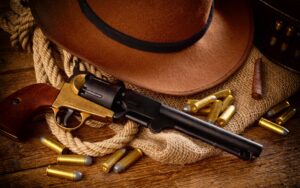
Old West scene featuring a revolver, a lever-action rifle, spent cartridges, a sheriff's badge, and a cowboy hat on a wooden surface, symbolizing the significance of rifles in American frontier history.

Legends of the Old West: Why Rifles Defined the Frontier

Rifles were more than just tools in the American frontier—they were symbols of survival, authority, and freedom. When people picture the Old West, they often imagine cowboys on horseback, lawmen in dusty towns, and outlaws plotting train heists. At the heart of these stories was the rifle, a firearm that not only shaped daily life but also carved its place in American history. Today, replica rifles allow collectors, reenactors, and history enthusiasts to hold onto that legacy and keep the stories alive. Why Were Rifles Central to Life in the Old West? On the frontier, a reliable rifle was as essential as food or shelter. Settlers depended on them for hunting, self-defense, and protecting their land. Cowboys often carried rifles alongside their revolvers to manage cattle drives or guard against rustlers. Lawmen used them to enforce order in boomtowns, while outlaws relied on them for intimidation and daring escapes. In many ways, rifles gave shape to the rugged independence that defined the West. What Made Certain Rifles Legendary? Not all rifles became legends, but a few models stood out for their reliability, design, and cultural impact. These rifles weren’t just tools—they became characters in the story of the American frontier. How Did Rifles Shape the Culture of the Frontier? Beyond their utility, rifles created a shared identity for those who lived in the West. A rifle represented protection for families, justice for lawmen, and opportunity for hunters and pioneers. Popular dime novels of the late 1800s romanticized shootouts and rifle duels, making these firearms central to Western folklore. In many ways, rifles became cultural shorthand for bravery, independence, and survival. Why Do Replica Rifles Matter Today? Modern replica rifles allow us to bridge the past and present. Collectors value them as authentic reminders of American history. Reenactors use them to

Read On
0
    0
    Your Cart
    Your cart is emptyReturn to Shop