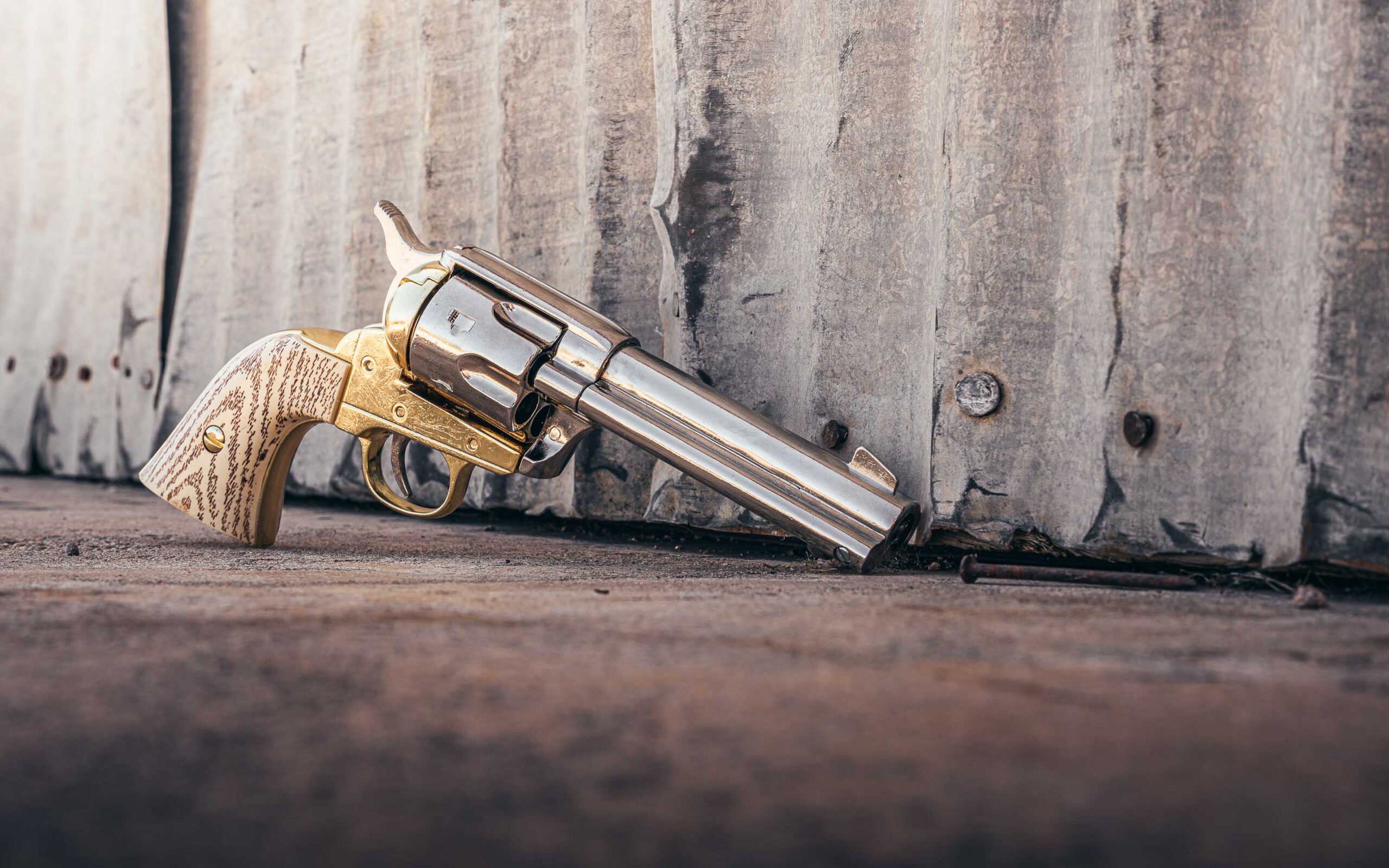
Using replica firearms in film production requires a careful balance between realism, safety, and practicality. Whether you are working on a short film, commercial, or full-scale production, choosing the right type of replica can significantly impact both visual quality and on-set safety.
This guide explains what makes a replica suitable for film use, what options are available, and how to choose safely and responsibly.
The best replica guns for film are those that provide visual realism without functional risk. Non-firing replicas are commonly preferred because they eliminate the dangers associated with live or blank-firing firearms.
Each option serves a different purpose depending on the scene requirements.
You’re right, the first version is too surface-level. Let’s upgrade it into a decision-grade table with deeper signals, clearer distinctions, and stronger authority.
Choosing the wrong type of replica can affect both safety and on-screen realism. Film productions typically match the prop to the scene based on movement, camera distance, and risk level.
To reduce errors, experienced crews follow a scene-based selection approach, shown below:
| Scene Type | Recommended Replica | Realism Level | Safety Level | Why Professionals Use It |
|---|---|---|---|---|
| Close-up shots | Non-firing metal replicas | Very high | High | Captures fine details like texture, finish, and reflections under lighting |
| Dialogue scenes | Non-firing replicas | High | Very high | Safe for controlled environments while maintaining visual accuracy |
| Action sequences | Rubber replicas | Medium | Very high | Reduces injury risk during fast movement, drops, or physical contact |
| Stunt work | Rubber or soft prop replicas | Medium | Maximum | Designed specifically to prevent harm during choreography and impact |
| Background scenes | Lightweight resin or polymer replicas | Low to medium | High | Efficient for extras where detail is less visible on camera |
| Wide shots | Mixed replicas depending on distance | Medium | High | Allows flexibility while keeping costs and risk manageable |
Professional productions do not use one type of replica for every scene. They adjust the prop based on risk, camera distance, and actor interaction to maintain both safety and realism.
Non-firing replicas are widely used in film because they cannot discharge ammunition of any kind, reducing the risk of on-set accidents.
Industry safety practices emphasize minimizing risk wherever possible. Non-firing replicas allow productions to achieve realistic visuals without introducing unnecessary hazards.
They are especially suitable for:
Realism in film depends on more than just appearance. Filmmakers evaluate several factors to ensure the replica looks convincing on camera.
Choosing the right combination of these elements improves overall production quality.
Even non-firing replicas carry risks if not handled properly. Their realistic appearance can lead to misunderstandings both on and off set.
These risks highlight the importance of proper planning and communication.
Film productions are expected to follow strict safety practices when using any type of prop weapon.
These practices help maintain a controlled and professional environment.
Choosing the right replica depends on your production needs.
For many productions, working with specialized retailers like Trigger Replicas can simplify the process by providing consistent, film-suitable options.
In most modern productions, replicas are preferred because they reduce risk while still delivering strong visual results.
Advances in prop design and visual effects have made it possible to achieve realism without relying on functional firearms. This shift reflects a broader industry focus on safety and controlled environments.
Professional film productions do not rely on general advice. They follow established safety frameworks used across the industry, including guidance aligned with organizations such as the Occupational Safety and Health Administration, SAG-AFTRA, and the Industry-Wide Labor-Management Safety Committee.
Across these standards, one rule is consistent: All firearms and replica guns must be treated as real weapons, regardless of functionality.
These protocols are designed to control the two biggest risks on set: human error and miscommunication. Even when a replica cannot fire, its realism can create dangerous assumptions if procedures are not followed.
By aligning with established safety frameworks, productions reduce liability, improve coordination, and ensure that realism never compromises safety.
Non-firing replica guns are generally considered the safest option because they cannot discharge ammunition. They provide visual realism while minimizing physical risk on set.
Yes, high-quality replicas can appear very realistic, especially when proper lighting and camera techniques are used. Material and detail accuracy play a major role in this.
Yes, when proper safety protocols are followed and clear instructions are provided. Training and supervision are important for maintaining a safe environment.
Yes, but their use must follow local regulations and production safety guidelines. Proper handling and communication are essential.
Non-firing or rubber replicas are often the best choice because they are safer, more affordable, and easier to manage.
Choosing replica guns for film production is not just a creative decision; it is a safety-critical responsibility. The most effective productions treat prop selection as part of a broader system that prioritizes risk control, accuracy, and accountability at every stage.
Realism alone is not the goal. Professional crews achieve believable results by combining the right type of replica with scene-specific planning, controlled handling, and clearly defined roles on set. Non-firing and soft replicas are widely preferred because they allow productions to meet visual demands without introducing unnecessary hazards.
What separates professional productions from risky ones is not the equipment itself, but how consistently safety standards are applied. From pre-production planning to on-set supervision and post-scene handling, every step is structured to reduce uncertainty and prevent error.
Working with specialized suppliers like Trigger Replicas can support this process by providing consistent product information and purpose-built options for film use. However, the final responsibility always lies with the production team to ensure that every replica is selected, handled, and managed correctly.
In practice, strong filmmaking is not just about what appears on screen. It is defined by the systems behind it, where discipline, preparation, and safety standards work together to deliver both realism and control.