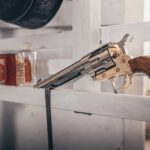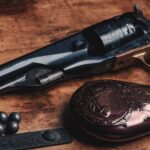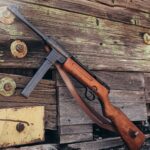
Choosing the right non-firing replica gun can feel overwhelming, especially with so many styles, materials, and quality levels available today. Whether you are a first-time buyer or an experienced collector, making the right choice comes down to understanding what matters most for your specific use.
Companies like Trigger Replicas focus on creating realistic, non-functional firearms designed for collectors, film productions, reenactments, and educational use. These replicas are built for visual accuracy and safe handling, which makes them a popular choice for anyone who wants authenticity without the risks of a working firearm.
This guide will walk you through exactly how to choose a non-firing replica gun step by step, so you can make a confident and informed decision.
A non-firing replica gun is a realistic firearm reproduction that cannot discharge ammunition. Manufacturers design it for safe use in collecting, displaying, film production, reenactments, and training.
Collectors, prop masters, educators, and hobbyists choose these replicas because they offer the look and feel of real firearms without the risks. If your goal is realism without functionality, a non-firing replica is the right choice.
The best way to choose a non-firing replica gun is to match the product to your purpose, then evaluate realism, materials, and build quality.
Start with these five steps:
Ask yourself how you plan to use the replica:
Your purpose determines the level of realism and durability you need.
| Material | Best For | What to Expect |
|---|---|---|
| Metal (Zinc Alloy, Steel) | Collectors, film use | Heavier, more realistic feel |
| Resin or Polymer | Cosplay, light use | Lightweight, easier to carry |
| Wood + Metal | Historical replicas | Authentic look and premium display value |
Higher-quality materials usually mean better realism and longer lifespan.
Look for replicas that include:
A high-quality replica should feel convincing even up close.
A true non-firing replica:
This is essential for collectors who want realism without risk.
Replica guns vary widely in price. Lower-cost options may sacrifice realism, while higher-end replicas focus on craftsmanship and detail.
A simple rule:
Choose based on how important realism is to you.
Purpose matters because not all replicas are built the same way.
A collector may prioritize weight, finish, and historical accuracy. A film production may need durability and visual realism on camera. A cosplayer may prefer lighter materials for comfort.
Choosing without a clear purpose often leads to disappointment. This is one of the most common mistakes buyers make.
High-quality non-firing replica guns stand out through craftsmanship, realism, and durability.
Here is a quick comparison:
| Feature | High-Quality Replica | Low-Quality Replica |
|---|---|---|
| Weight | Realistic, balanced | Too light or uneven |
| Materials | Metal, wood, durable alloys | Plastic-heavy construction |
| Detail | Precise markings and finish | Generic or inaccurate design |
| Moving Parts | Smooth and functional | Loose or non-functional |
| Longevity | Built for long-term display | Wears quickly |
Investing in quality ensures your replica looks and feels authentic over time.
Most buyers make mistakes because they focus only on appearance.
To avoid this:
A thoughtful approach leads to a better long-term purchase.
Non-firing replicas offer a unique balance. They provide historical and visual accuracy while remaining safe for everyday environments.
For collectors, this means:
For film and education, it allows realistic demonstrations without the risks associated with real weapons.
Experienced collectors, prop masters, and historical consultants do not choose replica guns based on appearance alone. They evaluate replicas using the same criteria applied in film production, museum curation, and training environments.
From an industry perspective, a high-quality non-firing replica must meet three core standards:
Film productions, reenactment groups, and training organizations widely expect these standards, including film production, historical reenactment groups, and educational training programs. Choosing a replica that meets these benchmarks ensures both safety and authenticity over time.
Specialized providers like Trigger Replicas focus on these principles by combining safety-focused engineering with historically accurate design. This level of manufacturing consistency is what separates collector-grade replicas from mass-produced decorative items.
Our content team, specializing in replica firearms, collector education, and product evaluation standards, created this guide. The insights in this article are based on industry research, manufacturer guidelines, and common evaluation criteria used by collectors, prop professionals, and reenactment communities.
All content is reviewed to ensure accuracy, safety alignment, and relevance to collectors and hobbyists. Information is based on publicly available manufacturer specifications, industry practices, and real-world use cases in film, education, and display environments.
Non-firing replica guns are the safest option because they are designed without firing capability and are intended only for display or training.
No, properly manufactured non-firing replicas are built so they cannot be converted into functional firearms.
Laws vary by location, but non-firing replicas are generally legal when used for display, collection, or educational purposes. Always check local regulations.
Metal and wood combinations offer the most realistic weight and appearance, making them ideal for collectors.
It depends on your goal. Entry-level replicas are affordable, while collector-grade models cost more due to higher craftsmanship and detail.