A historically accurate replica firearm closely reflects the original model in its dimensions, materials, markings, finish, and period-specific design details. The seven key features include accurate proportions, historically appropriate materials, correct markings, period-appropriate finishes, authentic design details, historical context, and reliable research.
For collectors researching replica firearms, understanding these details can make it easier to distinguish a historically accurate reproduction from a replica designed mainly for decorative appeal. Historical accuracy remains an important consideration for collectors, museums, reenactors, educators, and anyone interested in preserving the visual history of firearms.
A historically accurate replica reproduces important characteristics of an original model, including its proportions, materials, markings, finish, and period-specific design.
Accurate proportions help ensure that the replica represents the original firearm rather than a modernized or loosely inspired version.
Yes. Materials such as wood, metal, and other period-appropriate components can influence the appearance, weight, and overall authenticity of a replica.
Markings, engravings, and other identifying details can help connect a replica to its historical model and period.
Yes. A replica can capture the major visual characteristics of a historical model while differing in some construction details, particularly when it is intended as a non-firing collectible.
A replica firearm is historically accurate when its important visual and physical characteristics closely correspond to a documented historicadel. l moThis can include its overall proportions, materials, surface finish, markings, decorative details, and features associated with the period in which the original firearm was produced.
Historical accuracy starts with research. Manufacturers and collectors can compare replicas with historical photographs, museum collections, technical references, surviving examples, and other reliable documentation. The more closely those references are reflected in the replica, the stronger its historical connection.
However, historical accuracy does not necessarily mean that every replica must be identical to an original firearm in every detail. Non-firing replicas may use modern manufacturing methods or safety-focused construction while preserving the appearance and historical character of the original design.
One of the first things to consider when evaluating a historical replica is whether its overall dimensions and proportions correspond to the original model.
The length, shape, proportions, and relationship between major exterior components can have a significant effect on how accurately a replica represents its historical counterpart. Even small differences can change the overall appearance of a model.
Collectors can compare a replica against reliable historical references to look for consistency in:
Accurate proportions are particularly important for collectors who want a replica that represents a specific historical model rather than a generic firearm inspired by an era.
Materials can play an important role in the appearance and character of a replica. Historical firearms were produced using materials that reflected the manufacturing capabilities, resources, and design practices of their period.
Wood, metal, brass, and other materials can contribute to the visual character of a historical replica. Their texture, color, surface appearance, and construction can help distinguish one period or model from another.
For example, a replica intended to represent an earlier historical period may look noticeably different from a later model because of changes in manufacturing techniques and material use.
Materials should therefore be evaluated alongside the historical period being represented. A replica does not necessarily need to use the exact same manufacturing process as the original to communicate historical accuracy, but its visible materials should be appropriate to the design it represents.
Markings and engravings can provide some of the most recognizable clues about a replica’s historical inspiration.
Original models may contain manufacturer markings, decorative engravings, serial-style markings, proof marks, or other identifying features. A carefully researched replica may reproduce appropriate visual details to more closely represent the original design.
These details matter because they can help distinguish one historical design from another. Incorrect markings can make an otherwise convincing replica appear less historically accurate.
Collectors evaluating this feature should look at whether the markings are consistent with the model and period represented. Historical references can help determine whether a particular marking or decorative pattern belongs to the correct era.
The finish of a historical replica can have a major effect on its overall appearance.
Different historical periods and manufacturers used different approaches to finishing metal and wood components. A replica intended to represent an older model may therefore require a different visual treatment than one representing a later firearm.
Collectors may consider:
The goal is not necessarily to make every replica look old. Instead, the finish should make sense for the historical model being represented.
A newly produced replica can still be historically accurate if it faithfully represents the appearance of the original design without artificially adding unnecessary signs of age.
Small design details can make a significant difference when evaluating historical replicas.
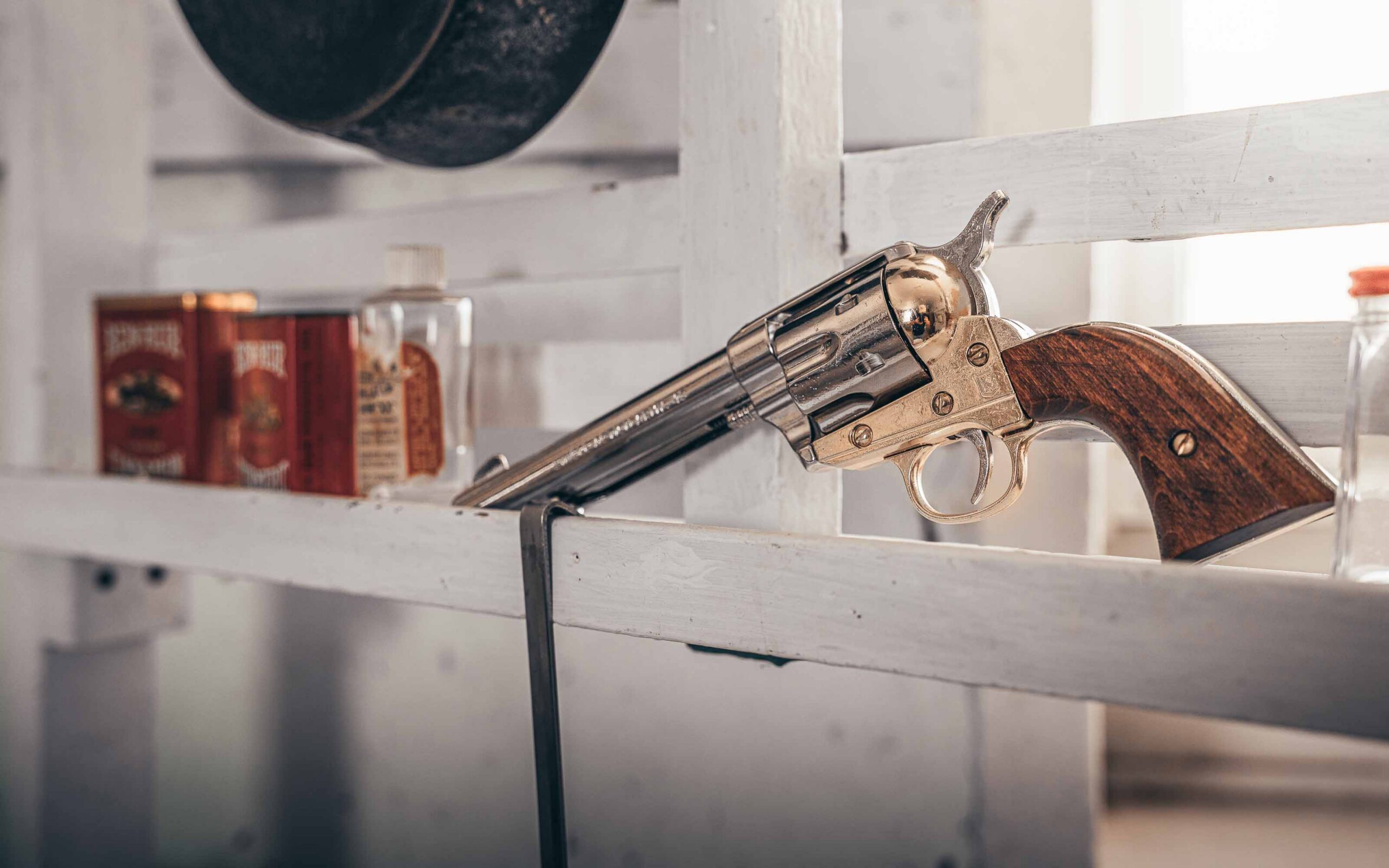
A historically accurate replica should reflect the recognizable design characteristics of the model it represents. These may include the shape of the grip, profile of the frame, style of decorative elements, configuration of external components, and other visual characteristics.
This is where research becomes particularly useful. Two firearms from different periods may look similar at first glance, but closer examination can reveal differences that identify their specific models or eras.
For collectors, these details can make a replica more useful as a historical reference because they help communicate what the original design looked like.
Historical accuracy is difficult to evaluate without considering context.
A replica should correspond to the period it claims to represent. This means that its design, materials, decorative details, and markings should make sense for that particular historical setting.
For example, a replica representing a 19th-century firearm should not contain obvious design elements associated with a much later period. Similarly, accessories or display elements used alongside a replica should be appropriate to its historical context.
This is particularly important when replicas are used in educational displays, museums, reenactments, or themed collections. A historically accurate piece becomes more meaningful when its surrounding context supports the same period.
Research is the foundation behind the other six characteristics.
Without reliable historical references, it is difficult to determine whether a replica’s dimensions, markings, materials, and design details are actually accurate. Historical research allows manufacturers and collectors to compare a replica against documented examples rather than relying only on appearance.
Useful research sources can include:
Collectors should also compare multiple sources when possible. A single photograph or description may not provide enough information to establish whether every detail of a replica is historically accurate.
A useful approach is to compare the replica with reliable documentation of the original model. Start with broad characteristics such as the overall shape and proportions, then examine smaller details such as materials, markings, finish, and decorative elements.
A simple comparison can look at:
| Feature | What to Compare |
| Dimensions | Overall size and proportions |
| Materials | Wood, metal, brass, and other visible materials |
| Markings | Manufacturer and identifying details |
| Finish | Surface appearance and period-appropriate treatment |
| Design | Model-specific exterior characteristics |
| Historical context | Era and intended historical setting |
| Documentation | References supporting the design |
This approach helps collectors evaluate historical accuracy systematically rather than relying only on whether a replica looks realistic at first glance.
Historical accuracy and realistic appearance are related, but they are not exactly the same.
A replica can look realistic without accurately representing a particular historical model. For example, it may have convincing materials and a detailed finish while combining characteristics from different periods or designs.
Historical accuracy requires a stronger connection to documented history. The replica should represent a recognizable model or historical design and use details that are consistent with its period.
For collectors, this distinction is important because a visually impressive replica is not automatically a historically accurate one.
Historical accuracy gives a replica greater educational and historical context. Instead of being simply a decorative object, an accurate reproduction can help collectors understand how firearm designs changed across different periods.
Historically accurate replicas can also support museum displays, educational projects, reenactments, film productions, and personal collections. They provide a way to study the appearance and design of historical firearms without relying solely on photographs or digital images.
Trigger Replicas focuses on non-firing historical replicas intended for collecting, display, reenactment, film, and educational purposes. The company’s existing historical replica collections emphasize visual accuracy and craftsmanship as part of the connection between replicas and the history they represent.
Collectors can research historical accuracy by identifying the original model represented by the replica and comparing its details with trustworthy historical sources.
Start by identifying the approximate era, manufacturer, model, and intended historical context. Then compare photographs, museum examples, reference books, and other documentation.
It is also useful to document the sources used during the research process. Keeping notes about where information came from can make it easier to evaluate the replica later and understand why certain features are considered historically accurate.
There is no single feature that determines historical accuracy. A strong historical replica should have consistent dimensions, materials, markings, finish, and design details that correspond to the original model and period.
Not necessarily. A replica can use modern manufacturing methods while maintaining historically appropriate visible materials and design characteristics. Non-firing replicas may also require construction differences for safety and production purposes.
Compare the replica with reliable historical references, including museum collections, photographs, archival material, and reputable historical publications. Look at the model’s dimensions, markings, materials, finish, and design details.
No. Realistic appearance and historical accuracy are not identical. A replica can look convincing while combining details from different models or periods.
Historical replicas can help collectors study and display the design characteristics of earlier firearms while preserving historical context. Non-firing replicas can also be used in educational displays, reenactments, film productions, and other settings where historical appearance is important.
Accurate replicas can provide useful visual references for understanding how firearm designs developed across different historical periods. For collectors, evaluating proportions, materials, markings, finish, design details, historical context, and research can provide a more informed understanding of what makes a replica historically accurate.
A well-researched non-firing replica can serve as more than a display piece. It can become a visual reference that helps collectors, educators, museums, and history enthusiasts explore the development of firearm design while keeping the focus on historical preservation and responsible collecting.