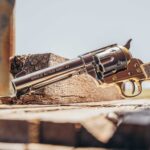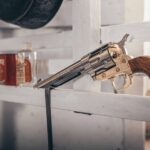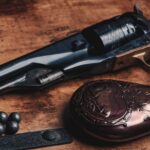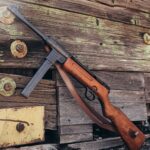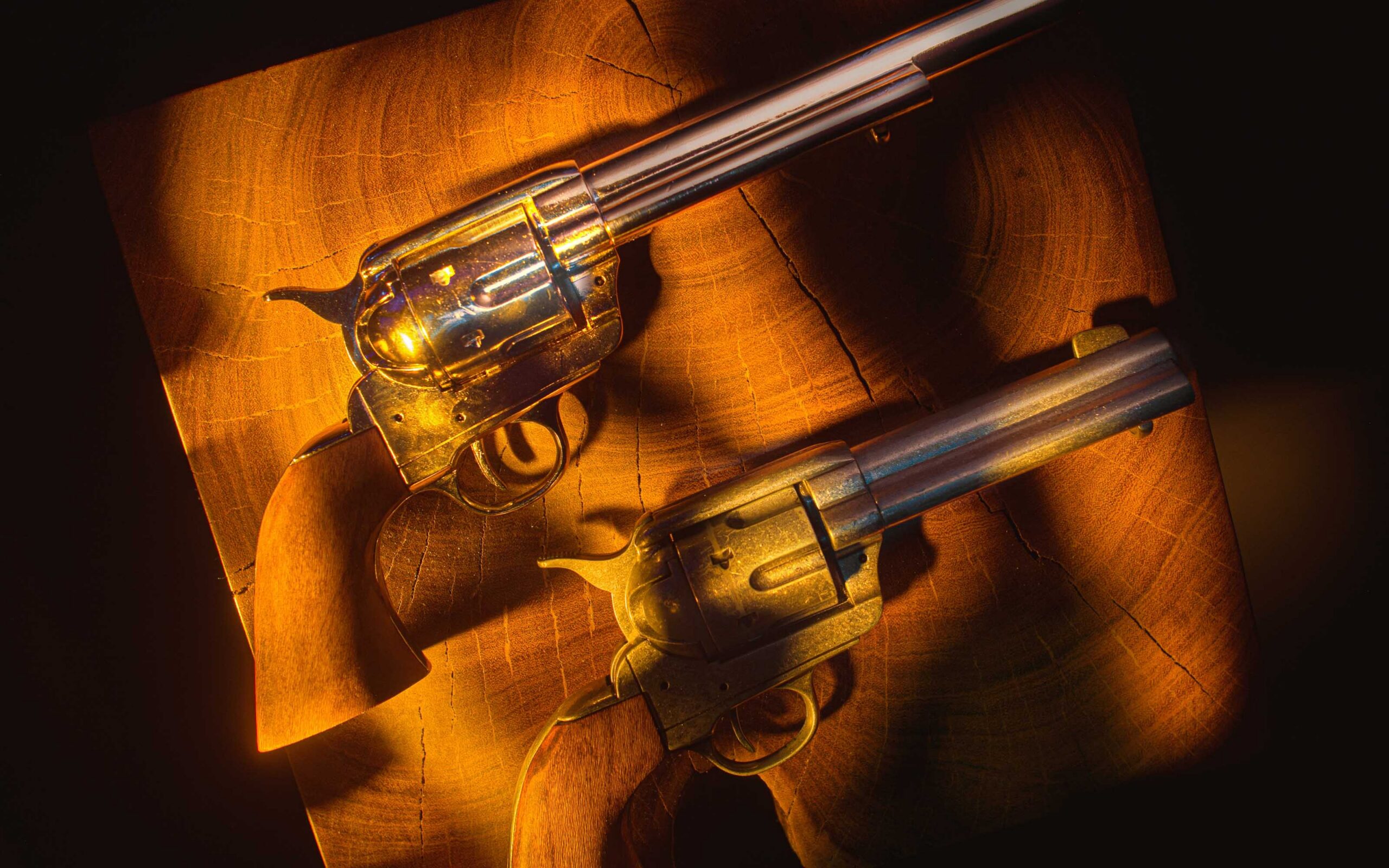
To clean and care for a non-firing replica gun, gently remove dust and fingerprints with a soft microfiber cloth, protect its finish from moisture, and store it in a dry, secure location. Proper replica gun maintenance also means using cleaning products suited to the materials and avoiding abrasive tools or unnecessary disassembly.
Although non-firing replicas are designed for display, collecting, and other non-shooting purposes, they still require regular care. Metal components can tarnish or corrode, wooden grips may fade or crack, and plastic or resin surfaces can become scratched. A consistent cleaning routine helps preserve the appearance of your collection without causing avoidable damage.
Wipe the exterior gently with a clean microfiber cloth. Use only manufacturer-approved cleaning products when additional cleaning is necessary, and dry any surface that has been exposed to moisture.
Yes. Replica guns with metal components can develop corrosion when exposed to moisture, humidity, or oils from frequent handling.
A soft microfiber cloth is a good starting point. Any polish, protective oil, or other cleaning product should be compatible with the replica’s materials and finish.
Dust your replica whenever needed and wipe it after handling. Inspect it periodically for corrosion, scratches, loose components, or changes in its finish.
Keep it in a dry location away from direct sunlight and extreme temperatures. A padded display case or suitable storage container can help protect it from dust, accidental impacts, and unauthorized access.
Replica guns can feature detailed engravings, decorative finishes, wooden grips, and metal components that contribute to their historical appearance. Without proper care, these features may deteriorate over time.
Dust can accumulate around decorative details, fingerprints may leave marks on metal surfaces, and excessive moisture can damage certain materials. Even replicas used exclusively for display can experience gradual wear if they are handled frequently or stored in unsuitable conditions.
The purpose of replica gun maintenance is to preserve the item’s existing condition. Unlike the maintenance of a functional firearm, caring for a non-firing replica generally centers on exterior cleaning, material preservation, and appropriate storage.
Before cleaning, confirm that the item is a non-firing replica and consult its product documentation. Do not assume that every replica has identical construction or cleaning requirements.
A gentle approach is usually best for routine cleaning. Follow these steps to remove ordinary dust and handling marks without unnecessarily disturbing the replica’s finish.
Place the replica on a stable, padded surface before cleaning. Choose a well-lit area where small decorative components will not be lost if they become loose.
Keep liquids, abrasive materials, and unrelated tools away from the workspace. If the replica has movable exterior parts, do not force them or attempt to dismantle the item for routine cleaning.
Although a non-firing replica is not designed to discharge ammunition, treat realistic-looking replicas responsibly. Keep the item away from children and unauthorized users while cleaning.
Begin with a clean, soft microfiber cloth. Gently wipe accessible exterior surfaces to remove loose dust, fingerprints, and light residue.
Use light pressure around engravings and decorative details. Avoid scrubbing, since repeated friction can dull a finish or leave fine scratches.
For narrow spaces that collect dust, use a soft, clean brush if the material and construction allow it. Avoid inserting tools into openings or forcing debris out of inaccessible areas.
Fingerprints can leave oils on metal surfaces, especially when a replica is handled frequently. Start by wiping the affected area with a dry microfiber cloth.
If a mark remains, consult the manufacturer’s care instructions before using a cleaning solution. Some replicas have painted, plated, antiqued, or lacquered finishes that may react poorly to otherwise common household cleaners.
Avoid applying a product to the entire replica until you know it is suitable for the specific surface. Do not use strong solvents, abrasive powders, or scouring pads to remove stubborn marks.
If the manufacturer permits a slightly damp cloth for a particular material, use as little moisture as possible. Wipe the area dry immediately afterward.
Do not soak the replica or allow water to collect around seams, joints, decorative recesses, or other areas where it may be difficult to remove. Moisture trapped in these locations can contribute to corrosion or material deterioration.
For replicas with delicate finishes, dry cleaning is preferable unless the manufacturer’s instructions specify otherwise.
Once cleaning is complete, inspect the exterior for changes that may need attention.
Look for new scratches, discolored areas, visible corrosion, loose decorative components, or cracks in wooden or resin parts. If you notice a problem that gentle cleaning cannot resolve, stop rather than attempting an aggressive repair.
Documenting changes over time can help you recognize developing issues before they become more noticeable.
The correct approach to non-firing replica care depends on the materials and finish used in each item. A product suitable for one surface may damage another.
| Material | Recommended Care | What to Avoid |
| Metal | Gently wipe with a soft, dry microfiber cloth. | Abrasive polish, steel wool, and unapproved solvents. |
| Wood | Dust with a soft cloth and inspect for drying or cracking. | Excessive moisture, harsh cleaners, and unapproved oils or waxes. |
| Plastic or resin | Remove dust gently and follow the manufacturer’s cleaning instructions. | Acetone, aggressive solvents, abrasive pads, and soaking. |
| Painted or plated finishes | Use a gentle, non-abrasive approach approved for the finish. | Unverified polishes and chemicals that may strip or discolor the surface. |
Metal replica guns may feature polished, plated, painted, or antiqued surfaces. These finishes can respond differently to cleaning products, so identifying the surface treatment is important before applying anything beyond a dry cloth.
Regularly removing fingerprints and keeping the replica away from damp environments can help reduce the risk of tarnishing and corrosion.
Do not automatically apply gun oil or metal polish to every replica. Some products can leave residue, alter the appearance of decorative finishes, or affect nearby materials. Use a protective product only when the manufacturer confirms that it is appropriate.
Wooden components can change with prolonged exposure to direct sunlight, heat, and fluctuations in humidity. These conditions may contribute to fading, surface cracking, or changes in the wood’s dimensions.
Dust wooden grips and stocks with a soft cloth. Avoid soaking the surface or applying household furniture products without checking their compatibility with the existing finish.
Some wooden parts have sealed or stained surfaces that require little additional treatment. Others may need specific conditioning products. Follow the manufacturer’s instructions instead of assuming that every wooden component requires oil or wax.
Plastic and resin components are often lightweight, but their finishes can still scratch, discolor, or become cloudy when exposed to unsuitable chemicals.
Use a soft cloth and avoid aggressive rubbing. If additional cleaning is necessary, check whether the manufacturer permits a slightly damp cloth and which cleaning agents are suitable.
Do not use acetone, strong solvents, or abrasive cleaners unless the manufacturer explicitly identifies them as safe for that particular material and finish.
Some cleaning habits can damage a replica even when the intention is to preserve it.
Using too much moisture: Water can enter seams or remain trapped around metal components. Use minimal moisture only when permitted by the care instructions.
Applying the wrong polish: Metal polish may damage plating, paint, or antiqued finishes. Confirm product compatibility before use.
Using household chemicals: Glass cleaners, degreasers, and strong solvents may contain ingredients that discolor or weaken certain surfaces.
Over-lubricating moving parts: Excess oil can attract dust and leave residue. Do not lubricate mechanisms simply because a functional firearm would require it. Follow the replica manufacturer’s specific instructions.
Attempting unnecessary disassembly: Taking a replica apart can damage small components or decorative features. Do not remove parts unless the manufacturer provides an appropriate procedure or qualified assistance is available.
Ignoring environmental conditions: A replica may deteriorate even when it is rarely handled. Humidity, direct sunlight, and extreme temperatures can affect its materials and finish.
Avoiding these mistakes helps keep cleaning simple and reduces the risk of damage caused by unnecessary intervention.
There is no universal cleaning schedule for every non-firing replica. The ideal frequency depends on how often the item is handled, the materials used, its storage environment, and the manufacturer’s recommendations.
The following schedule is a practical starting point for ordinary display collections.
| Frequency | Recommended Task |
| As needed | Remove visible dust from the exterior. |
| After handling | Wipe away fingerprints and surface oils. |
| Monthly | Inspect the replica for corrosion, scratches, residue, or changes in its finish. |
| Every three to six months | Review the storage environment and check for material deterioration. |
| Before long-term storage | Clean the exterior gently, inspect the item, and place it in a suitable protective location. |
These intervals are general suggestions, not mandatory manufacturer specifications. Replicas displayed in dusty or humid environments may need more frequent attention, while items kept securely in clean display cases may require less.
The key is to inspect the item regularly without repeatedly applying cleaning products that it does not need.
Proper storage is an important part of replica gun maintenance because it protects the item between cleaning sessions.
Choose a dry, stable environment away from direct sunlight, heating equipment, and areas prone to moisture. Avoid leaving replicas in damp basements, unconditioned storage spaces, or locations where condensation may form.
A padded display case or lined storage container can reduce scratches and accidental impacts. If using a display cabinet, ensure that the replica is securely supported and cannot fall when the cabinet is opened.
Silica gel packets may help manage moisture inside an appropriate enclosed storage space, but they should be used according to their instructions and kept away from children.
Avoid long-term storage in materials that may trap moisture or transfer chemicals to the replica’s finish. If a protective wrap or case is used, ensure that its lining is clean and compatible with the item’s surfaces.
Because realistic replicas can be mistaken for functional firearms, keep them secured and away from unauthorized access. Follow applicable local requirements for storage and transport.
For more display and storage guidance, see Trigger Replicas’ article, From Holster to Display Case: How to Store and Showcase Your Replica Firearms.
Routine exterior cleaning is manageable for many collectors, but some issues require more careful attention.
Consider contacting the manufacturer or a qualified specialist if you notice:
Do not attempt to repair a damaged mechanism by forcing it, dismantling it, or applying unapproved lubricants. A specialist familiar with the specific replica can help determine the appropriate next step.
If the item’s non-firing status is uncertain, stop handling it as an ordinary display piece and seek qualified assistance rather than attempting to test or modify it.
Start with a clean microfiber cloth and gentle pressure. Avoid abrasive tools and unapproved chemicals. If additional cleaning is needed, follow the manufacturer’s instructions for the replica’s specific materials and finish.
Not automatically. Some replica finishes and components may react poorly to oils intended for functional firearms. Use oil only if the manufacturer confirms that it is compatible with the replica.
Yes. Moisture can contribute to corrosion on metal parts and damage some wooden finishes. It can also enter seams or remain trapped in difficult-to-reach areas. Avoid soaking the item and dry permitted damp-cleaned surfaces promptly.
Keep metal surfaces clean and dry, minimize prolonged exposure to fingerprints, and store the replica in a suitable environment. Apply a protective product only if it is approved for the specific finish.
Yes. Even when they cannot fire, replicas may collect dust, develop surface corrosion, or experience material deterioration. Periodic inspection and gentle exterior cleaning help preserve their condition.
Do not disassemble a replica solely for routine cleaning unless the manufacturer provides instructions for doing so. Unnecessary disassembly can damage decorative features or small components.
Caring for a non-firing replica gun starts with gentle cleaning and continues with suitable storage. Understanding the materials, respecting the existing finish, and avoiding unnecessary chemicals can help preserve the appearance of each piece.
For collectors, the best approach is consistent rather than complicated. Remove dust when needed, wipe the replica after handling, inspect it periodically, and follow the manufacturer’s care instructions whenever a question arises.
Trigger Replicas offers a range of historical and decorative replica firearms for collectors and display enthusiasts. With appropriate care, these pieces can remain attractive parts of a collection while preserving the craftsmanship and historical details that make them worth displaying.