Replica rifles and muskets serve a unique purpose, connecting enthusiasts and collectors to the rich stories of history. At Trigger Replicas, these meticulously crafted historical replica firearms play a crucial role in display collections, educational museums, and historical reenactments. They not only allow individuals to appreciate the craftsmanship of earlier firearms but also help preserve and convey the historical significance of the various eras they represent. As demand for high-quality replicas grows, understanding their definitions, craftsmanship, and legal considerations is essential for enthusiasts and collectors alike. This comprehensive guide covers the definition and uses of replica firearms, common historical models, crafting methods that ensure authenticity, and ownership guidelines, providing a deep dive into the world of historical replicas.
Replica firearms are defined as weapons that imitate the design and specifications of original historical firearms, but often do not function as live weapons. Their significance spans various applications in historical display and reenactment activities, offering an authentic and engaging way to experience history. These replicas help bridge the gap between the past and present, showcasing the craftsmanship of different periods and the evolution of firearm technology.
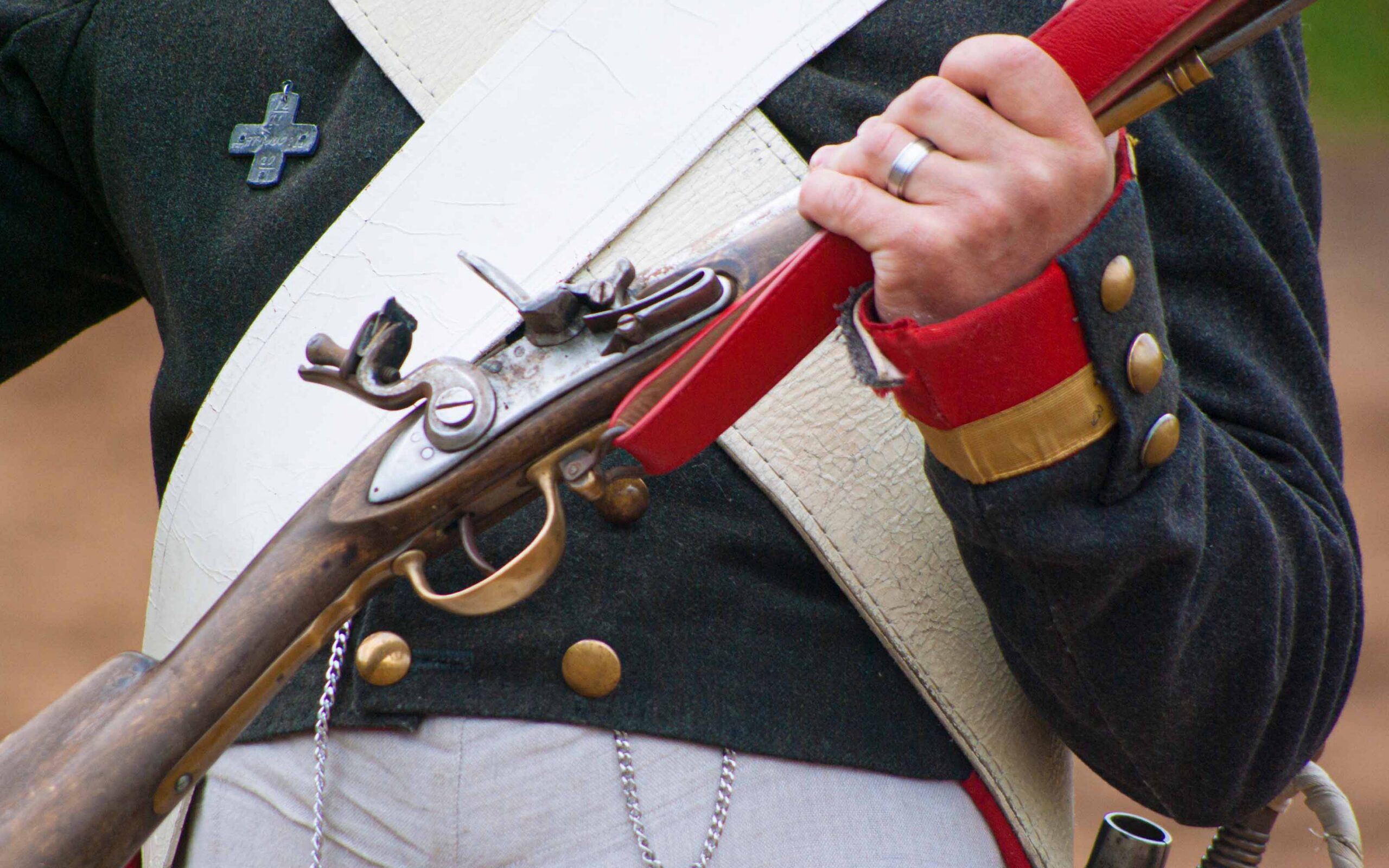
Replica firearms can be categorized into several types, with flintlock, percussion, and black powder rifles being the most prominent. Flintlock replicas use a mechanism that ignites gunpowder when a flint strikes steel, making them iconic to the 17th and early 19th centuries. In contrast, percussion firearms use a cap system, which ignites the gunpowder more reliably, marking a technological advancement in the 19th century. Black powder rifles, while less common today, provide a historical connection to earlier wartime experiences and hunting practices.
Replica rifles and muskets are widely utilized in various settings:
When it comes to historical replicas, certain periods and models are particularly popular. Understanding these preferences can enhance both appreciation and knowledge of historical firearms.
Historical replicas primarily focus on significant periods such as the Revolutionary War, Civil War, and Napoleonic Wars.
Certain models are revered in replica collections due to their historical context and extensive usage. The Springfield Model 1795 stands as one of the first standard-issue rifles in the United States, reflecting early American military design. Civil War musket replicas, primarily the Springfield Model 1861, capture the interest of both collectors and reenactors for their intricate designs and significant roles in battles, serving as a testament to their engineering and historical importance.
Crafting replica rifles and muskets requires great attention to detail to maintain historical authenticity. This process often involves traditional techniques combined with modern manufacturing innovations to replicate the original firearms closely.
High-quality replicas are constructed using traditional materials such as hardwoods for stocks and steel for barrels, ensuring that the finish mirrors historical models. Attention to detail is paramount, often utilizing period-accurate finishing techniques to achieve the authentic look and feel of original firearms. Materials like brass for fittings also add to the overall presentation and authenticity of the piece.
Craftsmanship has evolved, integrating traditional techniques alongside modern adaptations. Artisans often employ hand-tooling methods to replicate intricate designs found on original pieces, ensuring that each replica is not only visually appealing but also functional for reenactments. These manufacturing techniques can include both forged metal parts and carved wooden stocks, blending old-world craftsmanship with contemporary precision.
| Material | Technique | Description |
|---|---|---|
| Wood | Hand-carving | Used for stocks, providing authentic profiles typical of historical firearms. |
| Metal | Forging | Allows for the creation of aesthetically true barrel and trigger mechanisms. |
| Brass | Casting | Often used for hardware, finished to resemble period hardware accurately. |
This table illustrates the close relationship between materials and manufacturing techniques that ensure the resulting replicas are historically accurate.
Understanding the legal landscape surrounding replica firearms is essential for collectors and reenactors to ensure compliance with local regulations.
The legality of owning replica muskets and rifles varies significantly by location. Generally, most regions allow private ownership of non-functional replicas that are not classified as firearms. However, it is crucial to verify local laws concerning sales, ownership limitations, and required permits to ensure compliance with regulations. Buyers should also consider the distinction between decorative pieces and functional replicas, as laws may vary depending on the intended usage.
Safety is paramount when handling replicas, particularly those that may use black powder. Owners of functional replicas must adhere to specific safety training and storage requirements, such as keeping firearms securely stored when not in use and ensuring they are not accessible to unauthorized individuals. Regulations often dictate how to appropriately maintain and transport these firearms, promoting safety in both personal and public settings.
Maintaining the quality and authenticity of replica muskets and rifles requires dedication and proper care to ensure their longevity and historical integrity.
Routine maintenance for replica firearms is essential to preserve their condition. Collectors and enthusiasts should engage in regular cleaning after each use, especially for black powder models, as residue can cause long-term damage. Key steps include:
Ensuring a replica’s authenticity requires careful observation of its features and construction quality. Enthusiasts should examine:
Flintlock and percussion muskets represent two distinct eras in firearm technology, each with its own functionalities and historical contexts.
Flintlock muskets operate through a mechanism involving a flint striking steel, creating sparks that ignite the powder within the pan and subsequently the barrel. In comparison, percussion cap systems utilize a cap containing explosive material that ignites the gunpowder directly, providing greater reliability and faster ignition. These functional differences significantly impact both the performance and the historical context of the firearms.
The evolution from flintlock to percussion firearms reflects broader technological advancements in military engagements. Flintlock models were predominant in earlier conflicts, including the 18th-century European wars, while the shift to percussion systems occurred as warfare evolved, enhancing reliability in fast-paced battle conditions. Understanding these variations provides insight into how weapons technology adapted to the changing tactics of warfare and influences collectors’ interests today.
This comprehensive exploration of replica rifles and muskets emphasizes the significant role they play in historical education and preservation. These artifacts connect us to our past, allowing enthusiasts to engage with history in authentic and meaningful ways through craftsmanship and representation.
At Trigger Replicas, historical authenticity and craftsmanship are at the core of every replica firearm offered. Our collection is carefully selected to reflect the design, materials, and visual characteristics of original historical firearms from significant periods such as the Revolutionary War, Napoleonic Wars, and American Civil War. By focusing on accurate reproductions, educational value, and collector-grade quality, Trigger Replicas helps enthusiasts, museums, educators, and reenactors preserve and appreciate firearm history with confidence. Our commitment to quality standards and historical detail ensures that each replica serves as a meaningful representation of the era it was designed to reflect.
Consider authenticity, craftsmanship, material quality, legal compliance, and intended use. Choose replicas that accurately reflect historical designs and meet local ownership regulations.
Check for accurate markings, quality craftsmanship, proper proportions, and period-correct details. Research the original model and compare key features.
Age restrictions vary by location. Non-functional replicas often have fewer restrictions, while functional black powder models may be subject to additional legal requirements.
Clean replicas after use, especially black powder models; inspect them regularly for wear, and store them in a dry, controlled environment to prevent damage.
Yes, many replicas are used in reenactments if they meet event safety rules and local regulations. Functional models may require additional training and safety measures.