Our Blog

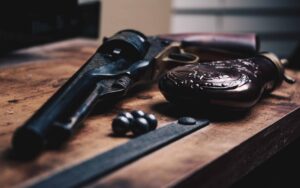
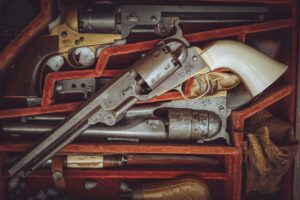
-up of an old-fashioned revolver, ornate powder flask, lead balls, and metal tool on a wooden surface

Display Like a Pro: Creating the Ultimate Replica Weapons Room

Every replica weapon tells a story—and the way you display it can bring that story to life. Whether you’re a longtime collector, history enthusiast, or simply want to elevate your space, creating a dedicated home gun display room is both a passion project and a tribute to the past.  With the right layout, lighting, and decor, your collection transforms from a shelf of items into a full-blown visual experience. Start with a Vision: Themed Gun Room Ideas Before hammering a single nail, start with a theme. Do you envision an Old West saloon, complete with rustic wood accents and cowboy-era replicas? Or maybe a WWII officer’s study with leather armchairs and vintage maps? Themed rooms not only enhance the authenticity of your replica firearm décor, but they also create an immersive experience for guests—and for you. Other popular themes: Choosing a theme sets the tone for your gun collector room setup, guiding everything from wall colors to furniture choices. Smart Layouts: Large Rooms vs. Small Spaces You don’t need a huge room to make an impact. For smaller spaces or shared rooms, wall-mounted displays are your best friend. Vertical layouts draw the eye and save space, while floating shelves or pegboard-style panels keep your collection organized and accessible. Have an entire room to dedicate to your collection? Consider a museum-style layout with zones for each historical era or firearm type. Use freestanding display cases for standout pieces and mix in seating or a reading nook for a functional, immersive space. Lighting That Brings History to Life Good lighting is essential for showcasing your collection. Use a combination of overhead lights, spotlights, and display case lighting to highlight the craftsmanship of each piece. Warm-toned LEDs work well for vintage-inspired rooms, while cool-toned lights add a modern gallery feel. Pro tip: Angle

Read On
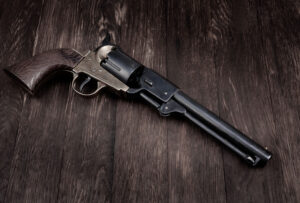
Vintage revolver with wooden grip and long barrel on a dark wooden surface

Why Replica Weapons Matter in Preserving History

When you hold a replica weapon in your hands, you’re not just gripping metal and wood—you’re connecting with centuries of history. For collectors, educators, reenactors, and enthusiasts, historical weapon replicas offer more than just aesthetics—they serve as powerful tools for preserving history, sparking curiosity, and making the past come alive in the present. Bringing the Past Within Reach Original historical weapons are often too rare, expensive, or delicate for everyday handling. Replica weapons for learning offer an accessible alternative—providing the look, feel, and cultural context of the original pieces without the risk of damage or the high price tag. Whether it’s a flintlock pistol from the Revolutionary War or a sword from medieval Europe, these replicas allow more people to connect with history in a meaningful, tangible way. From Classrooms to Collections: Where Replicas Shine Educational replicas play a vital role in classrooms, museums, historical reenactments, and even film and theater. Teachers use them to captivate students with hands-on learning. Museums display replicas so visitors can engage more closely with the artifacts they represent. Reenactors bring battles and historical events to life with period-accurate gear. And for filmmakers, replicas provide the authenticity of a real weapon without the fragility or legal complications. In private collections, replicas allow history buffs and heritage lovers to showcase iconic pieces without the limitations of cost or conservation. They’re not just display items—they’re conversation starters, storytelling anchors, and symbols of appreciation for the past. The Benefits of Replica Guns The benefits of replica guns go beyond display. They encourage exploration, education, and a deeper appreciation of craftsmanship. Many are made with care and attention to historical detail, reflecting the same patterns, materials, and proportions as the originals. This level of authenticity helps maintain the integrity of history while making it more accessible and interactive. Replica

Read On
A collection of vintage revolvers displayed in a red velvet-lined case

Uses for Non-Firing Replica Guns

Whether you’re a collector, history buff, or cosplay enthusiast, non-firing replica guns offer the perfect balance of realism and safety. These detailed replicas are designed to look and feel like real firearms—without the ability to shoot or be modified to fire—making them ideal for a variety of purposes. Let’s explore how these replica firearms are being used today and why they continue to grow in popularity. What Are Non-Firing Replica Guns? Non-firing replicas are realistic reproductions of firearms that cannot discharge ammunition—not even blanks. Unlike airsoft guns, which shoot plastic pellets, or blank-firing guns used for training and reenactment, these replicas are inert, intended purely for visual and tactile authenticity. Made from high-quality materials like metal and wood, these replica weapons for collectors often feature moving parts (like trigger mechanisms or loading chambers) for added realism, but they pose no functional risk. Top Uses for Non-Firing Replica Guns 1. Historical Displays and Home Décor Whether you’re decorating a study or curating a war-era showcase, gun replicas for display add authenticity and style. From 18th-century flintlocks to WWII-era revolvers, non-firing replicas are a safe and legal way to honour history in your home or office. 2. Film and Theatrical Props In stage productions or on film sets, realism matters—but safety comes first. That’s why prop guns are a staple in the entertainment industry. Directors and prop masters rely on non-firing replica guns for their lifelike appearance and zero risk, especially in close-up or action scenes. 3. Costume and Cosplay Accessories Level up your next convention or Halloween event with replica weapons that match your character’s gear. From Wild West duels to futuristic battles, a well-crafted non-firing gun adds that finishing touch to any cosplay without raising safety concerns in public spaces. 4. Military and Law Enforcement Training For certain types of

Read On
Close-up of a gun being lubricated with oil

Maintaining Your Replica Gun: Cleaning, Polishing, and Preventing Wear

Replica firearms aren’t just impressive to look at—they’re prized by collectors, historical reenactors, and film prop fans for their craftsmanship and realism. Whether you’re displaying a vintage revolver or a modern military model, proper care is key to keeping your replica looking its best for years to come. In this guide, we’ll walk you through replica gun maintenance techniques tailored to metal, wood, and plastic/resin components, and show you how to prevent damage from time, handling, and environment. Caring for Metal Parts: Cleaning & Rust Prevention Metal replicas often feature zinc alloy or steel components that mimic the weight and feel of real firearms. To maintain their shine and function: Tip: Avoid water-based cleaners, which may encourage rust or leave residue. Wood Grips & Stocks: Condition to Prevent Cracks Some replica guns, especially historic models, feature wooden stocks or grip panels that require occasional conditioning: If your replica features laminated or stained finishes, avoid soaking or scrubbing, which can cause fading or peeling. Plastic & Resin Components: Clean Without Clouding Modern replicas often incorporate plastic or resin parts for lightweight durability. Here’s how to clean them safely: Never use scouring pads or abrasive cleaners—they’ll scratch and dull your replica. General Replica Weapon Care Tips Recommended Tools for Replica Gun Maintenance Here’s a basic kit to help you clean and preserve your gun replicas with confidence: Preserve the Look and Legacy of Your Replicas Replica guns may not fire real rounds, but they deserve real respect. By following these replica weapon care tips, you’ll ensure each piece remains a standout in your collection—shiny, detailed, and damage-free. At Trigger Replicas, we offer expertly crafted non-firing replicas that shine even brighter with proper care. Ready to upgrade your display or add a new piece to your collection? Explore our wide selection of historical

Read On
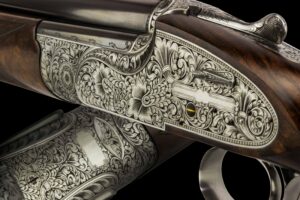
A close-up view of an intricately engraved shotgun, showcasing detailed floral and scrollwork patterns on the metal parts

The Art of Engraving: How Intricate Details Elevate Replica Weapons

When it comes to replica weapons, the difference between a basic imitation and a true collector’s piece lies in the details. One of the most captivating features that sets high-end replica guns apart is the art of engraving. Far from being purely decorative, intricate engravings bring history to life, turning each piece into a work of craftsmanship, storytelling, and pride. The Legacy of Engraving in Weaponry Engraving has a deep-rooted history in weapon design, dating back centuries. From samurai swords etched with family crests to flintlock pistols adorned with royal insignias, engravings often reflected status, power, and artistic expression. In the realm of replica weapons, skilled engraving serves as a tribute to these traditions, preserving the aesthetic and cultural importance of historical arms. Today, modern engraving on replica guns doesn’t just replicate patterns—it revives the soul of iconic weapons. A Civil War-era revolver with hand-etched scrollwork or a World War II pistol with personalized markings offers more than accuracy—it tells a story. How Engraving Adds Value For collectors, aesthetics are just as important as authenticity. Intricate detailing, especially when engraved by hand or laser for precision, adds character and depth to a replica weapon. Whether it’s floral scrolls, historical dates, or symbolic imagery, these additions enhance both the visual appeal and perceived value of the piece. Engravings also offer emotional resonance. A fan of Western films might be drawn to a replica Colt .45 with classic cowboy-style embellishments. Someone fascinated by European dueling pistols may appreciate fine baroque detailing. These tiny artistic touches make a replica feel more personal, more real, and ultimately more desirable. A Closer Look at the Craft Engraving is no easy feat. It requires skill, patience, and a steady hand. Depending on the design, artisans may use tools like gravers, chisels, or modern CNC lasers to

Read On
Two cowboys face off in a duel on a dirt path lined with a wooden fence, surrounded by trees.

The Psychology of Collecting: Why People Are Drawn to Replica Weapons

Collecting is more than just a hobby—it’s a psychological journey. For many, replica weapons hold a special place in that journey. Whether it’s a perfectly detailed replica of a Civil War musket or a vintage flintlock pistol, these pieces often spark something deep inside: curiosity, nostalgia, pride, or a need to preserve history. Understanding why people collect replica guns reveals just how powerful these items can be. While every collector has their own motivation, there are common psychological themes that bring people into this unique world. Nostalgia and Emotional Connection One of the strongest forces behind collecting is nostalgia. Replica weapons often remind people of childhood memories, movies, or stories passed down through generations. A collector might see a replica revolver and instantly recall watching old Westerns with a parent or grandparent. These emotional connections provide a sense of comfort and belonging. Unlike modern tools or gadgets, replica weapons are deeply tied to stories—real or fictional. Holding a historical replica can feel like holding a piece of the past, sparking emotions that go beyond simple admiration. The Joy of Mastery and Knowledge Another powerful motivator is the desire for mastery. Collectors often enjoy learning everything they can about a specific type of weapon or historical period. The more they collect, the more they understand the details, context, and craftsmanship behind each piece. It becomes a personal achievement—one built over time through study, exploration, and pride in one’s growing knowledge. Replica guns aren’t just display items. They’re touchstones for learning, offering a physical connection to history that textbooks or documentaries can’t match. Aesthetics and Craftsmanship For many collectors, the visual and tactile appeal of replica weapons is unmatched. These pieces are often made with incredible attention to detail. From polished wooden stocks to engraved barrels, they’re mini works of art. Collectors

Read On
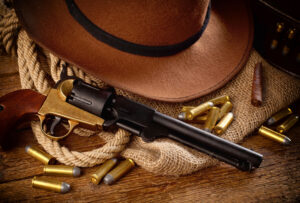
Western accessories on wooden table

How to Identify a High-Quality Replica Gun vs. a Cheap Imitation

Replica guns are popular among collectors, reenactors, and enthusiasts who want realistic-looking firearms without the risks of real weapons. However, not all replicas are made the same. Some look and feel like the real thing, while others are poorly made and fall apart quickly. Knowing how to identify a high-quality replica gun vs. a cheap imitation can help you make the best purchase. 1.  Materials Matter One of the biggest differences between a high-quality replica gun and a cheap imitation is the material used. Quality replicas are often made from metal, wood, or durable polymer, giving them the right weight and feel. On the other hand, low-quality imitations are usually made from lightweight plastic that looks and feels fake. If you’re looking for a replica gun that mimics the real thing, check for materials like: Cheap imitations often have flimsy plastic parts that break easily, so always check the materials before buying. 2.  Realistic Weight and Feel A high-quality replica gun should have the same weight as the real firearm it replicates. If a replica feels too light, it’s likely a cheap knockoff. The weight adds to the realism, making it ideal for training, display, or cosplay. When testing a replica gun, hold it in your hands. A quality model will have a balanced weight, while a cheap imitation may feel hollow or overly light. 3.  Attention to Detail The best replica guns have fine details that match the original firearm, from engravings to realistic markings. Cheap imitations often lack these details or have inaccurate logos and symbols. Look for: Cheap versions may have rough edges, incorrect markings, or missing details, making them look less authentic. 4.  Functionality and Moving Parts A good replica gun doesn’t just look real—it should also function like the original (without firing live ammunition). Many

Read On
Personalize Replica Guns with Custom Details

Customizing Your Replica Firearm: How to Personalize Your Collection

Owning replica firearms is more than just collecting—it’s about making each piece special. Whether you display them, use them for historical reenactments, or add them to your film prop collection, personalizing your replica guns enhances their authenticity and allows you to showcase your style. Custom engravings, unique finishes, and special accessories can make your collection stand out. Engraving: Add a Personal Touch One of the easiest ways to customize your replica firearm is through engraving. Whether it’s initials, a favorite quote, or an intricate design, engraving adds character and makes your piece one of a kind. If you collect Old West revolvers, consider adding detailed scrollwork for a classic touch. For military replica guns, adding unit insignias or historical markings can enhance their realism. Many collectors also choose to engrave significant dates, movie quotes, or family crests. This small but meaningful customization turns a standard replica firearm into a personal keepsake that reflects your interests. Custom Grips: Comfort and Style Changing the grips of your replica gun can improve its appearance and feel. Classic wooden grips offer a timeless look, while pearl or ivory-style grips add elegance. For a more modern touch, rubberized or textured grips enhance handling and comfort. For collectors of historical replica firearms, choosing grips that match the era of the gun adds to its authenticity. If you’re customizing a Wild West revolver, opt for hand-carved wooden grips. For a military-style firearm, consider durable synthetic materials that resemble real battlefield gear. Weathering and Aging Effects If you want your replica firearm to look battle-worn or antique, weathering techniques can give it a realistic, aged appearance. Paint washes, distressing tools, and metal patinas can create the illusion of decades of use. This customization is especially popular with historical reenactors who want their replica guns to match period-accurate gear.

Read On
0
    0
    Your Cart
    Your cart is emptyReturn to Shop