

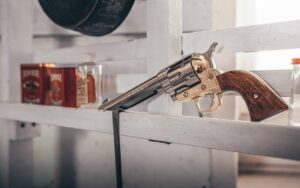
What Makes a Replica Firearm Historically Accurate?
A historically accurate replica firearm closely reflects the original model in its dimensions, materials, markings, finish, and period-specific design details. The seven key features include accurate proportions, historically appropriate materials, correct markings, period-appropriate finishes, authentic design details, historical context, and reliable research. For collectors researching replica firearms, understanding these details can make it easier to distinguish a historically accurate reproduction from a replica designed mainly for decorative appeal. Historical accuracy remains an important consideration for collectors, museums, reenactors, educators, and anyone interested in preserving the visual history of firearms. Quick Answers About Replica Firearm Historical Accuracy What makes a replica firearm historically accurate? A historically accurate replica reproduces important characteristics of an original model, including its proportions, materials, markings, finish, and period-specific design. Why do dimensions matter in historical replicas? Accurate proportions help ensure that the replica represents the original firearm rather than a modernized or loosely inspired version. Do materials affect historical accuracy? Yes. Materials such as wood, metal, and other period-appropriate components can influence the appearance, weight, and overall authenticity of a replica. Why are markings important on replica firearms? Markings, engravings, and other identifying details can help connect a replica to its historical model and period. Can a replica look historically accurate without being an exact reproduction? Yes. A replica can capture the major visual characteristics of a historical model while differing in some construction details, particularly when it is intended as a non-firing collectible. What Makes a Replica Firearm Historically Accurate? A replica firearm is historically accurate when its important visual and physical characteristics closely correspond to a documented historicadel. l moThis can include its overall proportions, materials, surface finish, markings, decorative details, and features associated with the period in which the original firearm was produced. Historical accuracy starts with research. Manufacturers and collectors can compare