

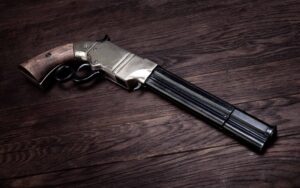
Shoot Like a Curator: How to Photograph Replica Firearms for Museum-Level Results
A well-crafted replica firearm deserves more than a quick snapshot. Whether you’re documenting your personal collection, selling online, or curating a themed display, the way you photograph a replica can make the difference between “nice piece” and “museum-worthy.” Museum curators and catalog photographers know that outstanding images are equal parts art, science, and respect for history. With a few simple tools and techniques, you can capture your replicas with the same care and precision professionals use for rare antiques. Here’s how to shoot like a curator; no studio degree required. 1. Prepare Your Replica and Workspace Before lighting or lenses come into play, preparation is everything. Clean your replica carefully with a microfiber cloth to remove fingerprints and dust. Avoid harsh cleaners, as even small residue can catch light and dull fine details. Set up your workspace in an area with stable lighting and minimal distractions. A sturdy table or photo surface about waist height works best. Lay out your backgrounds, lighting, and props before you begin so you can move efficiently between angles. Keep safety in mind throughout the process. Even though Trigger Replicas’ models are non-firing, always treat them respectfully, avoiding public-facing windows or spaces where their appearance could cause concern. 2. Master the Lighting Setup Lighting is the single biggest factor that separates casual photos from professional results. Museum photographers favor soft, even light that reveals surface details without harsh reflections. The ideal setup uses: If you’re working with limited equipment, a bright window with sheer curtains can create a beautiful diffused glow. Avoid overhead lighting or direct flashes, as these produce glare on metal finishes. For glossy barrels or nickel plating, experiment with polarizing filters or a circular polarizer on your camera lens. This reduces specular reflections and preserves true color. 3. Choose the Right Backgrounds