Frequently Asked Questions
What is the average cost of a blunderbuss replica?
The average cost of a blunderbuss replica typically ranges from $150 to $400, depending on the craftsmanship, materials used, and level of detail in the design.
Can I legally own a blunderbuss replica in the US?
The legality of owning a blunderbuss replica in the US is generally permissible. As non-firing replicas, they do not fall under firearm regulations, making them legal to own in most states. Always check local laws for specific regulations.
Can I customize a blunderbuss replica myself?
Customizing a blunderbuss replica yourself is possible, but we recommend consulting with a professional to ensure the integrity of the craftsmanship and materials is maintained.
What is the origin of the blunderbuss muzzle-loading firearm?
The origin of the blunderbuss muzzle-loading firearm dates back to the 17th century in Europe, particularly in England and the Netherlands, where it was developed as a short-range weapon for both military and civilian use.
How did the blunderbuss get its distinctive name?
The blunderbuss gets its distinctive name from the Dutch word "donderbus," which translates to "thunder gun." This reflects the loud noise produced when it is fired, emphasizing its powerful impact.
What type of ammunition did the blunderbuss fire?
The type of ammunition the blunderbuss fired included a variety of projectiles such as lead balls, shot, and even nails, allowing for a wide spread and increased effectiveness at close range.
What was the effective range of an 18th century blunderbuss?
The effective range of an 18th-century blunderbuss was typically around 10 to 20 yards. This short range made it ideal for close-quarters combat, where its wide muzzle could spread shot effectively.
Were blunderbusses widely used in 18th century naval battles?
Blunderbusses were not widely used in 18th century naval battles, as they were primarily designed for close-quarter combat and boarding actions rather than long-range engagements typical of naval warfare.
In what century was the blunderbuss first used in warfare?
The blunderbuss was first used in warfare in the 17th century. This distinctive firearm became popular for its wide muzzle, allowing for the effective firing of multiple projectiles at close range.
What materials were used to make 18th century blunderbuss barrels?
The materials used to make 18th-century blunderbuss barrels primarily included wrought iron and brass, which provided durability and strength, while some higher-end models featured decorative elements crafted from wood and additional metal inlays.
How did the blunderbuss compare to other firearms of its time?
The blunderbuss stood out among firearms of its time due to its wide muzzle, allowing for a spread of shot, which made it effective at close range, unlike more precise weapons like muskets.
How did the blunderbuss evolve during the 18th century?
The evolution of the blunderbuss during the 18th century involved enhancements in barrel design and firing mechanisms, leading to improved accuracy and ease of use, making it a favored choice for both military and civilian applications.
How do I clean a blunderbuss replica?
Cleaning a blunderbuss replica involves gently wiping it with a soft, dry cloth to remove dust and fingerprints. Avoid using harsh chemicals; instead, use a mild soap solution if necessary, and ensure it is completely dry before display.
Did 18th century blunderbuss hunters use multiple projectiles?
18th century blunderbuss hunters often used multiple projectiles, such as shot or small lead balls, to increase the likelihood of hitting their targets. This made the blunderbuss effective for hunting and defense.
How is a blunderbuss replica typically constructed?
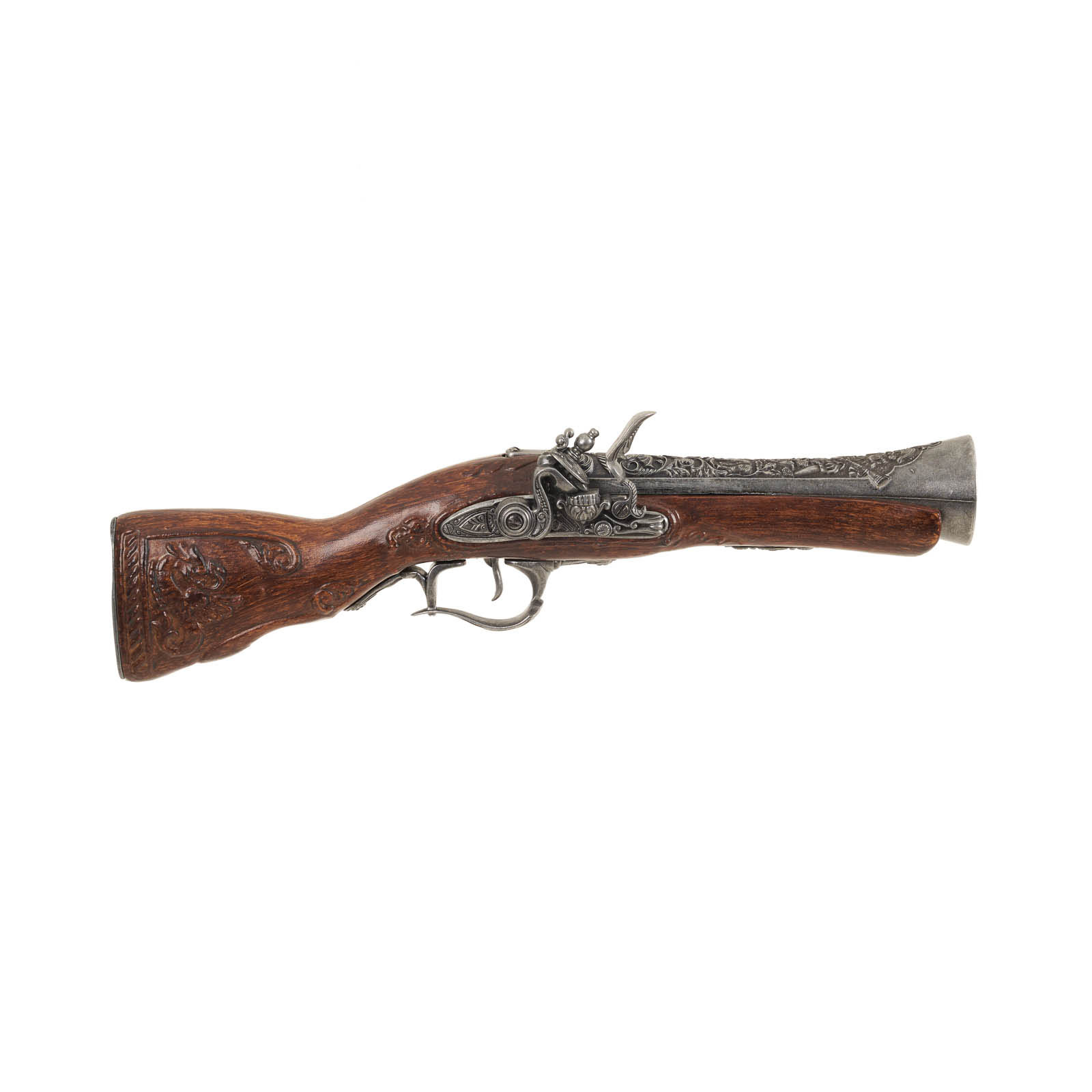
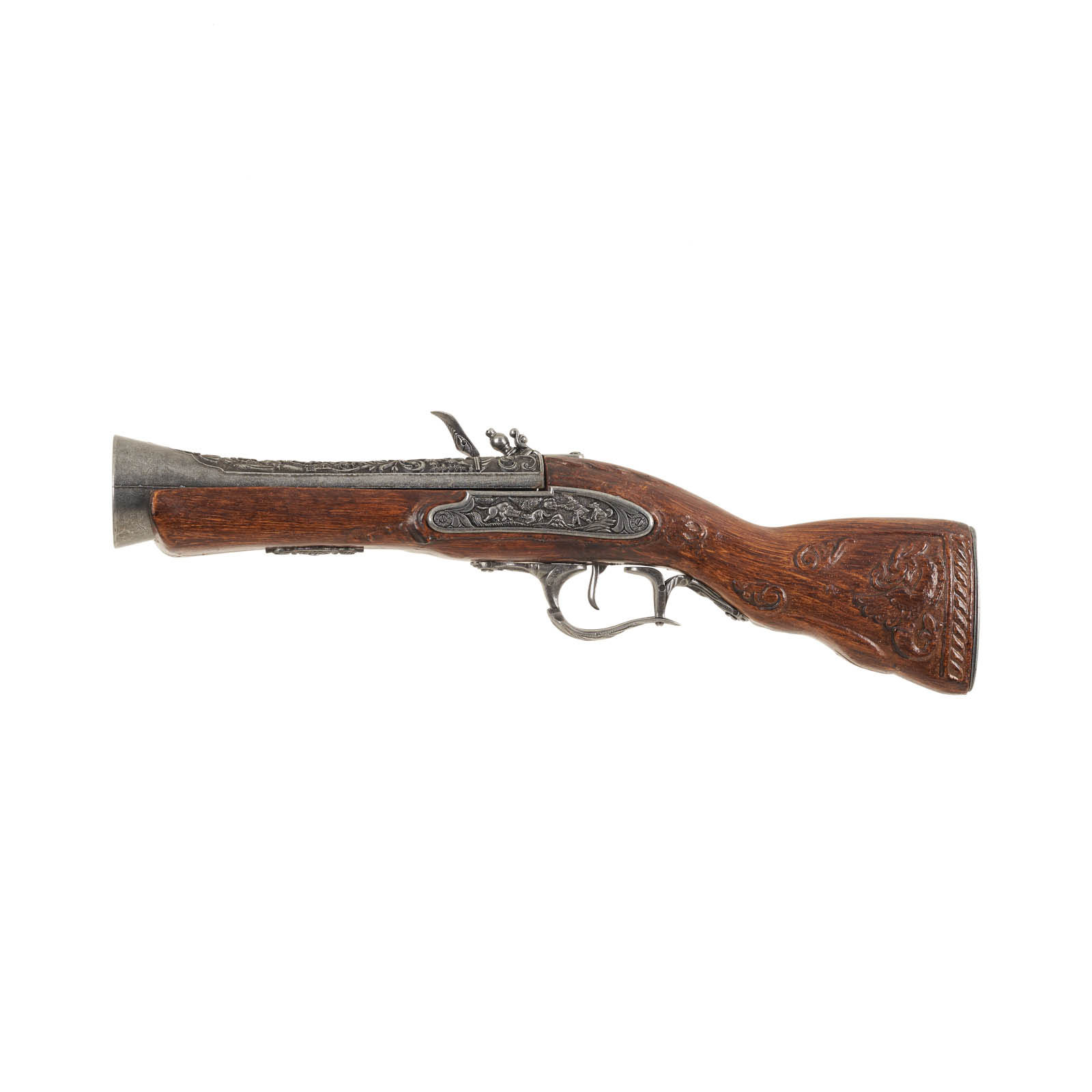
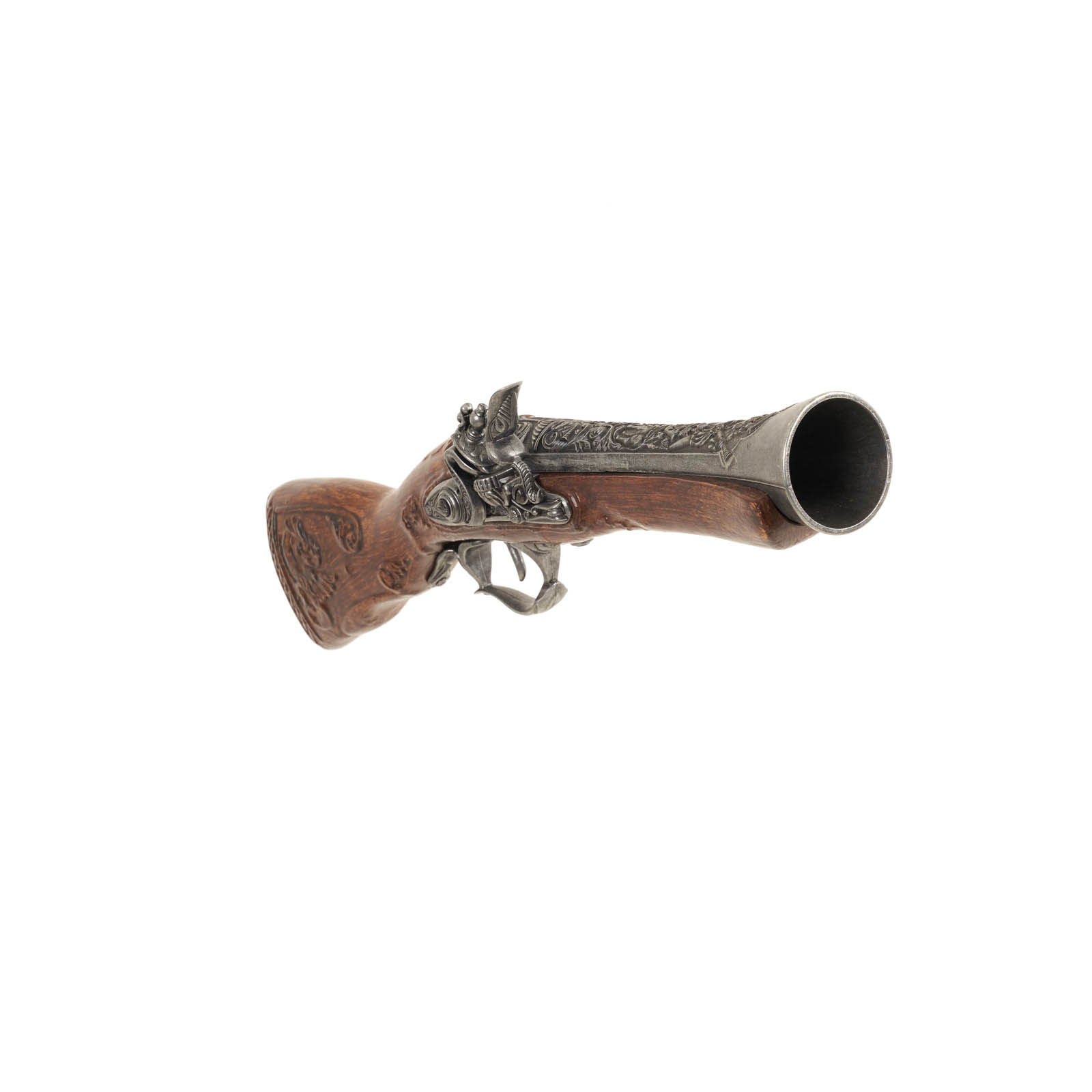
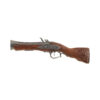
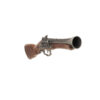
The construction of a blunderbuss replica typically involves using high-quality materials like Zamak alloy, which is molded and intricately engraved to replicate the original design, ensuring both authenticity and durability for collectors and enthusiasts.
How many rounds could a blunderbuss typically hold?
The typical capacity of a blunderbuss is one round, as it is designed to be loaded with a single charge of gunpowder and shot. However, its wide muzzle allows for the use of multiple projectiles, making it effective for scattershot fire.
What was the average range of a blunderbuss?
The average range of a blunderbuss is approximately 50 to 100 yards. However, its effective range for accurate shooting is typically around 20 to 30 yards, making it ideal for close combat situations.
Who were the primary users of the blunderbuss?
The primary users of the blunderbuss were military personnel and civilians during the 17th to 19th centuries, often employed for close-quarters combat and as a means of defense or deterrence against threats.
Was the blunderbuss an effective weapon in close combat?
The blunderbuss was an effective weapon in close combat due to its wide muzzle, allowing for a spread of shot that increased hit probability at short ranges, making it particularly useful in tight quarters.
Are blunderbuss replicas accurate to the originals?
Blunderbuss replicas are crafted to closely resemble the originals in design and detail. While they maintain historical accuracy in appearance, they are non-firing and made from modern materials, ensuring both authenticity and safety for collectors and enthusiasts.
Are blunderbuss replicas suitable for reenactments?
Blunderbuss replicas are suitable for reenactments as they provide an authentic visual representation of historical firearms without the risks associated with firing live ammunition. Their craftsmanship enhances the overall experience for both participants and spectators.
How accurate were 18th century blunderbuss firearms?
The accuracy of 18th century blunderbuss firearms was generally low due to their broad, flared barrels and smoothbore design, which favored close-range use over precision shooting. They were primarily effective for scattershot at short distances.
What was the primary purpose of the blunderbuss?
The primary purpose of the blunderbuss was to serve as a short-range firearm, primarily used for close combat and defense. Its wide muzzle allowed for firing multiple projectiles, making it effective in various situations, including naval battles and personal protection.
Can I use a blunderbuss replica for hunting?
The use of a blunderbuss replica for hunting is not advisable. These replicas are non-firing and designed solely for display and collection, lacking the functionality needed for hunting purposes.
What was the primary purpose of 18th century blunderbuss weapons?
The primary purpose of 18th-century blunderbuss weapons was to serve as short-range firearms, effective for close combat and defense, particularly on ships and in urban settings, due to their wide muzzle and ability to fire multiple projectiles.
What is the weight of a standard blunderbuss replica?
The weight of a standard blunderbuss replica typically ranges between 3 to 5 pounds, depending on the specific design and materials used in its construction.
Were blunderbusses used in the American Revolutionary War?
Blunderbusses were indeed used during the American Revolutionary War, primarily as short-range weapons favored by naval forces and for close combat due to their wide muzzle and ability to fire multiple projectiles.
What was the average caliber of an 18th century blunderbuss?
The average caliber of an 18th-century blunderbuss typically ranged from .60 to .75 inches, allowing for the use of various types of ammunition, including shot and slugs, to maximize its effectiveness in close-range encounters.
What is the longest range of a blunderbuss replica?
The longest range of a blunderbuss replica is primarily for display and decorative purposes, as these non-firing models do not function like actual firearms. Their effective range is not applicable, as they are not designed for shooting.
Who typically used blunderbusses in 18th century warfare?
The individuals who typically used blunderbusses in 18th century warfare were naval sailors and infantry soldiers. Their wide muzzle and ability to fire multiple projectiles made them effective in close combat situations.