What Is the Best Way to Maintain a Metal and Wood Replica Pistol?
Replica pistols are prized because they look and feel like historical originals, but they still require basic care to stay beautiful, functional, and display ready. Proper maintenance prevents rust, fading, loose parts, and long term wear. Collectors should follow regular cleaning habits, protect both the metal frame and the wooden grips, and store replicas safely away from moisture or direct sunlight.
Replica pistols from Trigger Replicas already arrive with durable finishes and solid construction, and a consistent care routine keeps them looking authentic for decades.
How Do You Clean Metal Parts Without Damaging the Finish?
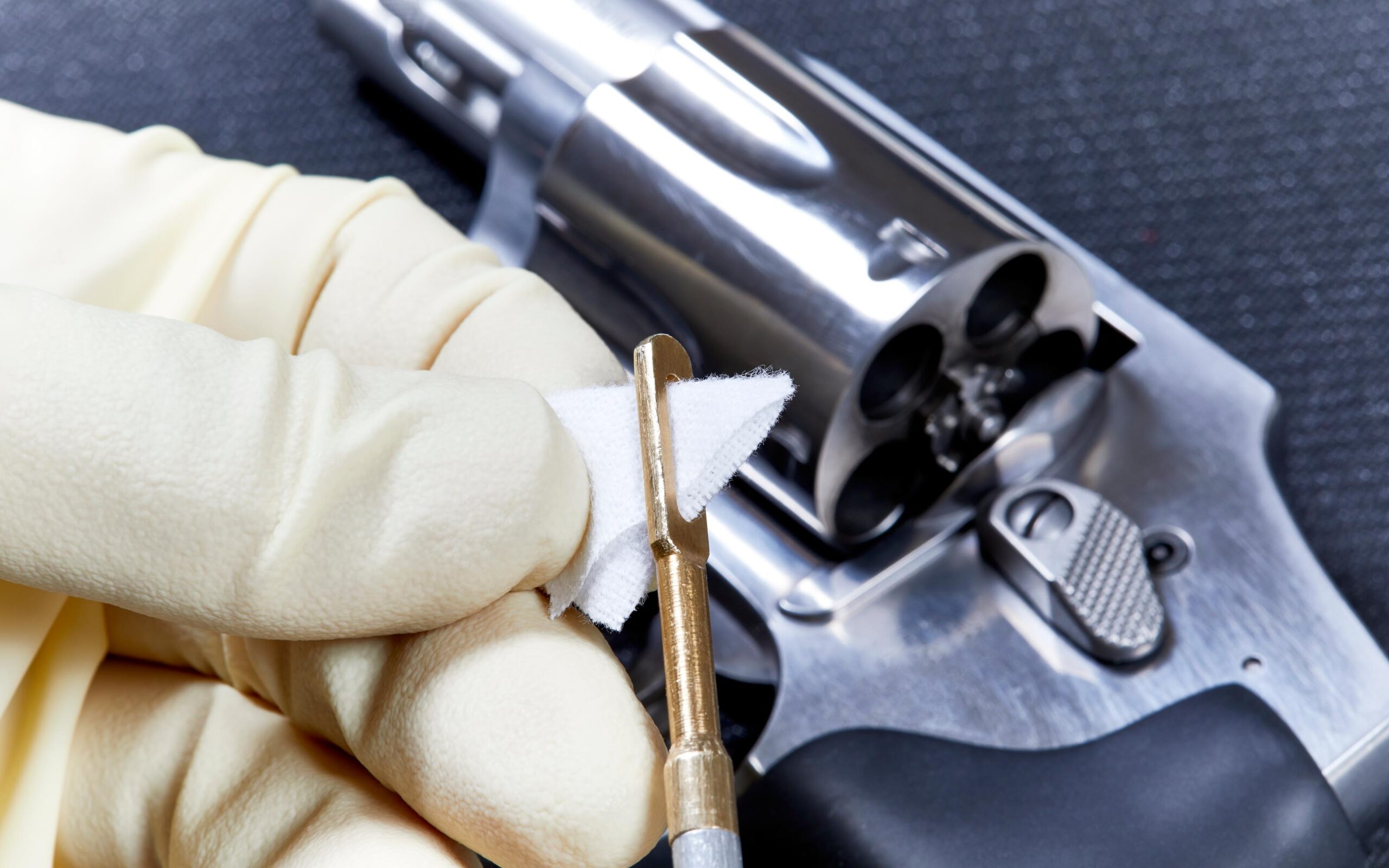
Metal components of replica pistols cannot fire ammunition, but they can still oxidize or collect dust over time. Gentle cleaning protects the metal surface without causing scratches.
Recommended steps for metal care:
- Wipe the frame with a soft microfiber cloth to remove oils and fingerprints.
- Use a small amount of silicone gun cloth or light machine oil to protect against rust.
- Avoid abrasive cleaners, household chemicals, or steel wool.
- Inspect for loose screws, pins, or moving parts and tighten carefully if needed.
- If the replica includes a blued or antique finish, apply only non abrasive products designed for decorative metals.
Collectors often forget that humidity affects display pieces, so ovens, garages, and damp rooms can accelerate tarnish. A controlled environment extends the life of the finish.
How Do You Preserve Wooden Grips or Stocks on Replica Pistols?
Wood components can dry out, crack, or fade when exposed to heat or sunlight. Replica pistol grips need occasional conditioning to stay rich in color and smooth to the touch.
Best practices for wood preservation:
- Dust wooden grips regularly with a dry cloth.
- Apply a small amount of natural wood oil, such as lemon oil, a few times a year.
- Avoid furniture polish, varnish, or wax that traps residue.
- Keep replicas away from windows to prevent UV fading.
- Store pistols at stable room temperature to avoid swelling or shrinkage.
Quality replicas from Trigger Replicas often use hardwood with realistic finishes, so light maintenance is all they need to stay attractive and tactical in appearance.
How Should Collectors Store Replica Pistols to Prevent Damage?
Storage is just as important as cleaning. Improper storage can lead to rust, wood drying, or mechanical stiffness.
Safe storage tips:
- Use a padded display case or stand to keep the pistol secure.
- Add silica gel packets to reduce moisture.
- Never store replicas in leather holsters long term, since leather traps humidity.
- Keep pistols away from direct sunlight and extreme temperatures.
- If displaying on a wall, dust weekly and check for environmental changes.
Collectors who rotate their displays or move replicas between cases should perform a quick inspection each time to ensure there is no beginning rust or loose hardware.
How Often Should You Maintain Your Replica Pistol?
A simple routine gives the best results:
Every month:
- Dust the entire replica
- Wipe down metal surfaces
- Check moving parts
Every three to six months:
- Condition wooden grips
- Apply a protective oil layer on metal
- Deep clean areas that collect debris
Once a year:
- Inspect screws, pins, or action components for tightness
- Refresh protective coatings
- Replace silica gel packets in display cases
Consistent care ensures that the replica pistol retains its museum quality appearance and remains a favorite piece in any collection.
Does Handling Affect the Longevity of Replica Pistols?
Yes. Frequent handling can increase exposure to oils, moisture, and accidental impacts. While replicas are designed for movement and reenactment, thoughtful handling helps avoid unnecessary wear.
Best habits for collectors:
- Handle replicas with clean, dry hands.
- Avoid touching metal parts excessively.
- Support both the frame and the grip when displaying to guests.
- After events or reenactments, wipe the replica immediately before storage.
Collectors who share their pieces for theater, film, or display presentations should expect more frequent cleaning, especially on high contact surfaces.
When Should a Collector Seek Professional Help?
Although most care is simple, certain situations benefit from expert guidance:
- Movement feels stiff or misaligned
- Screws or pins appear worn or stripped
- Antique finished replicas show early rust patterns
- A wooden grip has cracking or separation
Trigger Replicas provides knowledgeable support and can recommend the correct products or solutions for long term preservation. If you need help choosing the right care tools for your collection, contact us.
FAQs
1. Can replica guns rust even though they are non-firing?
Yes, metal replica pistols can rust if exposed to humidity or skin oils. Regular wiping and protective oil prevent oxidation.
2. What oil is safe for replica gun cleaning?
Use light machine oil or silicone gun cloths. Avoid harsh chemicals, firearm solvents, or abrasive cleaners.
3. How do I protect a wood grip from cracking?
Condition the wood a few times a year with natural oil, keep it away from sunlight, and store the pistol at a stable temperature.
4. Is it safe to store a replica gun in a leather holster?
Short term is fine, but long term storage can cause moisture buildup and finish discoloration. Use padded cases instead.
5. Do display stands help preserve replicas?
Yes. A proper stand prevents falls, protects the finish, and keeps the pistol away from dust and damp surfaces.