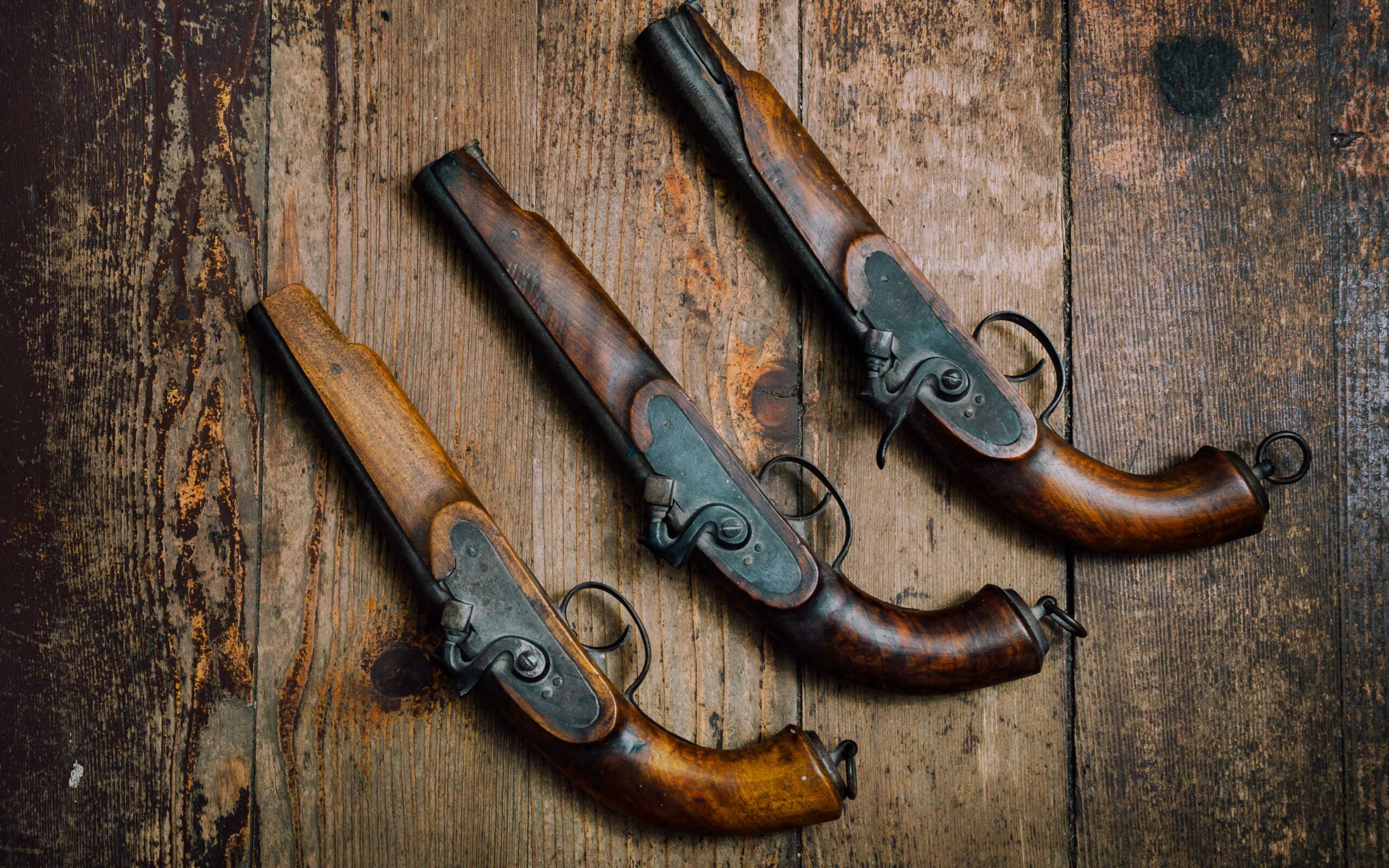
Curating a museum-quality replica collection requires more than selecting visually impressive pieces. The process involves historical research, authenticity standards, thoughtful sourcing, and professional display practices. When done correctly, replica collections can educate, inspire, and preserve history while remaining safe and accessible.
What defines a museum-quality replica collection?
A museum-quality replica collection is defined by accuracy, consistency, and educational value. Each piece should represent a specific historical period, region, or theme with attention to proportion, materials, and mechanical details, while remaining clearly non-firing and display-ready.
High-quality replicas are selected not just for appearance, but for how well they communicate historical context and craftsmanship to the viewer.
How should you research replicas before building a collection?
Research is the foundation of any credible collection. Curators should begin by defining the scope of the exhibit, such as Old West firearms, colonial-era weapons, or European military history.
Effective research includes:
- Studying original artifacts through museum archives and academic sources
- Reviewing historical photographs and period documentation
- Understanding variations by manufacturer, era, and region
- Identifying common inaccuracies found in lower-quality reproductions
This process ensures the final collection tells a coherent and accurate historical story.
Why does historical accuracy matter in replica collections?
Historical accuracy builds trust with audiences. Museums, educators, and reenactment groups rely on replicas to communicate facts, not just aesthetics.
Accurate replicas help viewers understand how weapons were used, how technology evolved, and how design reflected social and economic conditions of the time. Inaccurate or mismatched pieces can undermine the educational purpose of an exhibit.
How do you choose the right replica supplier?
Selecting the right supplier is critical for achieving museum standards. A reputable supplier provides clear documentation, consistent quality, and knowledgeable guidance.
Working with an experienced retailer such as Trigger Replicas helps ensure replicas are:
- Non-firing and legally compliant
- Historically accurate in form and finish
- Suitable for museums, schools, and professional displays
How should replicas be organized within a collection?
Organization gives meaning to individual pieces. Museum-quality collections are typically curated by:
- Historical era
- Geographic region
- Cultural or military theme
- Technological evolution
Grouping replicas with clear labels and interpretive text allows visitors to follow a narrative rather than view isolated objects.
What display techniques create a museum-quality presentation?
Display quality is just as important as the replicas themselves. Professional presentation enhances credibility and viewer engagement.
Best practices include:
- Using secure wall mounts or display stands
- Incorporating protective glass cases when appropriate
- Providing contextual placards with dates and historical notes
- Controlling lighting to highlight details without glare
Proper spacing and alignment help viewers focus on each piece while understanding its place in the larger collection.
How do replica collections support education and outreach?
Replica collections allow museums and institutions to offer interactive learning without risking original artifacts. Replicas can be used in guided tours, traveling exhibits, classroom programs, and hands-on demonstrations.
Because replicas are durable and safe, they expand access to history for students, researchers, and the general public.
When should you consult an expert during the curation process?
Expert guidance is valuable when selecting pieces, confirming historical accuracy, or planning a long-term exhibit. Consultation helps prevent costly mistakes and ensures the collection meets institutional standards. Contact us now!
Frequently Asked Questions
What makes a replica suitable for museum display?
Museum-suitable replicas are non-firing, historically accurate, well-finished, and supported by clear documentation.
Are replicas acceptable substitutes for original artifacts?
Yes. Replicas are widely used when originals are too fragile, rare, or unsafe for public interaction.
Can replica collections be used in traveling exhibits?
Yes. Replicas are ideal for traveling exhibits due to durability, safety, and reduced insurance requirements.
How many pieces should a curated collection include?
Quality matters more than quantity. Even small collections can be impactful if well-researched and clearly presented.
Do replicas require special storage or maintenance?
Most replicas require basic care, such as controlled humidity, dust protection, and secure storage when not displayed.