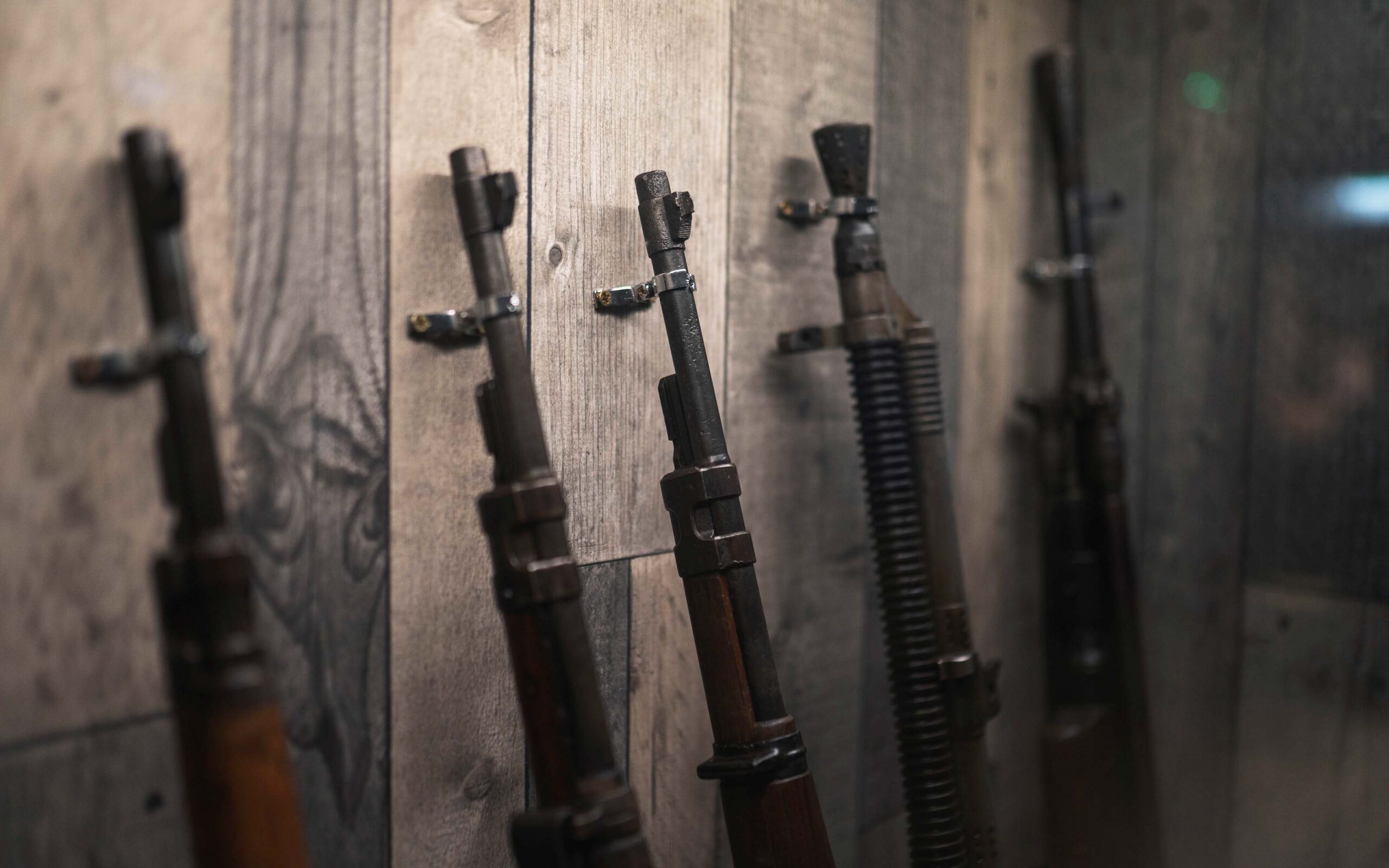
Museums play an important role in helping visitors understand the past. One of the most effective teaching tools used in exhibits is historical weapon replicas. These carefully crafted models allow visitors to explore historical technology while protecting rare artifacts.
Replica weapons help museums recreate the appearance of equipment used throughout history. Displays may include items such as a sword, spear, dagger, axe, or katana, allowing visitors to see how weapons evolved across different cultures and time periods.
Because original artifacts are often fragile, museums frequently use historical replicas instead. Replicas provide accurate visual examples while allowing museums to preserve authentic historical objects.
Many educational institutions, historians, and exhibit designers rely on replica manufacturers such as Trigger Replicas to help create engaging museum displays.
Original historical weapons can be extremely delicate. Many artifacts are centuries old and must be preserved carefully to prevent damage.
Using replicas allows museums to display weapons without exposing rare objects to unnecessary risk.
Museums choose historical weapon replicas for several reasons:
Because replicas are designed for display, they allow visitors to experience history while helping museums protect valuable artifacts.
Museums often display replicas from many historical periods. These displays help visitors understand how weapons developed over time.
Some commonly displayed historical weapon replicas include:
Many of these weapons were crafted using specialized techniques that allowed blacksmiths to create strong steel blades capable of withstanding combat.
These displays help visitors understand the role weapons played in historical societies.
Museum exhibits often explain the individual components of historical weapons so visitors can better understand how they were constructed.
For example, a sword replica may include:
Daggers and short blades often used similar construction techniques but were designed for close combat or personal protection.
Explaining these components helps museum visitors understand how craftsmanship influenced weapon performance.
Historical weapon replicas make museum education more engaging because visitors can see realistic examples of the tools used throughout history.
Replica displays help visitors:
Seeing a sword blade, dagger, or spear up close can make history feel more tangible for visitors.
Replica displays also allow educators to explain how different cultures developed unique weapon styles.
| Feature | Historical Weapon Replicas | Original Artifacts |
|---|---|---|
| Safety | Safe for display and demonstrations | May require strict conservation |
| Preservation | Protects fragile historical items | Can deteriorate over time |
| Educational Use | Ideal for hands-on learning | Limited interaction allowed |
| Availability | Can be recreated for exhibits | Often rare or unique |
This balance allows museums to protect original artifacts while still providing engaging educational displays.
Replica manufacturers play an important role in museum education. Skilled craftsmen study historical records and original artifacts to reproduce weapons as accurately as possible.
These replicas may include detailed reproductions of:
Companies such as Trigger Replicas create historically inspired replicas that can be used in museum exhibits, educational programs, and historical reenactments.
These replicas help bring historical displays to life.
Museums often store original historical weapons in controlled conservation environments. Many artifacts are made from materials such as steel, leather, and wood, which can deteriorate over time if exposed to light, humidity, or frequent handling.
Instead of placing fragile artifacts on display, museums often keep the originals in secure archives while presenting historical weapon replicas in exhibitions. This approach allows visitors to see the design and craftsmanship of historical weapons while protecting the authentic artifact.
For example, a museum may preserve an original medieval sword or steel dagger in climate-controlled storage while displaying a replica sword in the exhibit. The replica allows visitors to study details such as the blade shape, guard design, and scabbard construction.
This method helps museums balance artifact preservation with educational access.
Museums, educators, and collectors often rely on historical weapon replicas to create engaging displays and educational exhibits.
At Trigger Replicas, we specialize in historically inspired replicas designed for collectors, reenactors, and museum education programs. Our replicas recreate the appearance of historical weapons while remaining suitable for safe display.
If you are looking for detailed replicas for educational exhibits or museum displays, contact us today to learn more about our available models.
| Weapon Type | Historical Use | Educational Value |
|---|---|---|
| Sword | Medieval combat and ceremonial use | Demonstrates blade craftsmanship |
| Dagger | Personal defense weapon | Explains close combat tools |
| Spear | Early battlefield weapon | Shows formation warfare tactics |
| Axe | Combat and utility tool | Illustrates multi-purpose weapons |
| Katana | Japanese samurai weapon | Explains cultural weapon design |
These replica displays allow museum visitors to better understand how different cultures developed unique weapons and fighting techniques.
Museums use historical weapon replicas to safely display weapons such as swords, daggers, and spears while protecting rare historical artifacts.
Museums often display replicas of swords, spears, daggers, axes, and traditional weapons like the Japanese katana.
A scabbard is a protective sheath used to store and carry a sword safely.
Many replicas are designed to closely match the appearance and construction of original historical weapons.
Museums and educators often obtain replicas from specialized manufacturers such as Trigger Replicas that produce historically inspired display models.