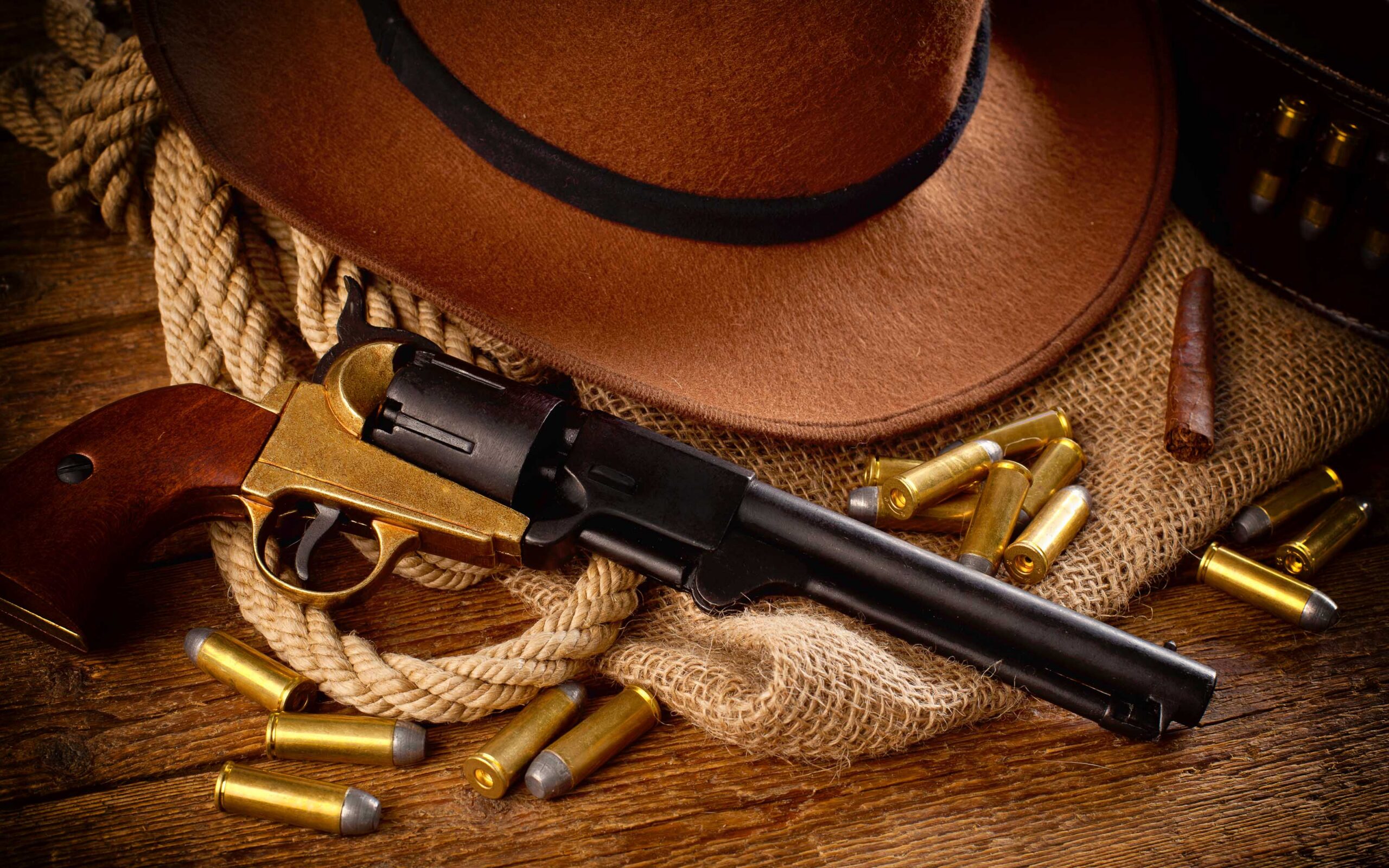
Historical weapon replicas are powerful educational tools when used correctly. In classrooms, museums, and learning programs, non-firing replicas allow students to explore history through safe, hands-on interaction. When paired with thoughtful teaching strategies, replicas help transform abstract lessons into memorable learning experiences.
What are historical weapon replicas and why are they used in education?
Historical weapon replicas are non-firing reproductions of firearms, edged weapons, and accessories from specific eras. They are crafted to look and feel authentic but are designed so they cannot fire.
Educators use replicas because they allow students to engage with historical objects safely while preserving original artifacts. Replicas reduce liability, protect rare originals from damage, and support interactive learning in ways textbooks cannot.
How do historical weapon replicas enhance student learning?
Replicas improve learning by activating multiple senses. Students can see scale, feel weight, and observe mechanical features that are often difficult to understand through images alone.
Hands-on exposure increases retention, encourages curiosity, and supports inquiry-based learning. For example, handling a flintlock replica helps students better understand colonial technology, trade limitations, and battlefield conditions of the era.
What subjects benefit most from historical weapon replicas?
While most commonly used in history classes, replicas support learning across multiple subjects:
- U.S. and world history, colonial periods, Old West expansion, European conflicts
- Social studies, examining culture, craftsmanship, and societal roles
- STEM, exploring early engineering, mechanics, and materials
- Theater and film studies, understanding historical accuracy and prop design
- Museum education programs, enhancing guided tours and workshops
Replicas allow educators to connect timelines, geography, and technology in a tangible way.
How can teachers safely use weapon replicas in the classroom?
Safety begins with clarity and structure. Teachers should explain that replicas are non-firing educational tools and establish clear handling rules before introducing them.
Effective safety strategies include:
- Using replicas only during supervised lessons
- Demonstrating proper handling techniques
- Keeping replicas secured when not in use
- Selecting models designed specifically for display and education
Choosing replicas from reputable retailers such as Trigger Replicas ensures items are legally compliant, clearly non-functional, and appropriate for institutional use.
What are effective teaching strategies using historical replicas?
Replicas work best when paired with active learning techniques rather than passive display.
Object-based learning
Students examine a replica and answer guided questions about its design, materials, and purpose.
Comparative analysis
Replicas are compared across eras or regions to explore technological evolution and cultural differences.
Role-based activities
Students assume historical roles such as soldier, craftsman, or settler and explain how the object would affect daily life.
Cross-disciplinary projects
Lessons combine history with writing assignments, engineering concepts, or art studies.
These strategies encourage critical thinking while keeping lessons engaging and structured.
Why are non-firing replicas preferred over real antiques?
Non-firing replicas eliminate the risks associated with real weapons and fragile antiques. They are safer for students, more affordable for schools, and easier to insure and store.
Replicas also allow repeated use without degrading valuable historical artifacts. This makes them ideal for classrooms, traveling exhibits, and outreach programs.
How do replicas support museums and educational outreach?
Museums and educational organizations rely on replicas to create interactive exhibits where visitors can safely engage with historical objects. Replicas support field trips, demonstrations, and reenactments that would otherwise be impossible using original artifacts.
For institutions seeking guidance on selecting appropriate replicas, expert support helps ensure accuracy, safety, and compliance.
Frequently Asked Questions
Are historical weapon replicas legal to use in schools?
Yes, non-firing replicas designed for display and education are generally legal, but schools should always check local regulations and district policies.
Can students handle replicas during class?
Yes, when supervised and paired with clear handling rules. Replicas are commonly used in controlled classroom settings.
Do replicas accurately represent real historical weapons?
High-quality replicas are designed to match the size, weight, and appearance of originals while remaining non-functional.
What age groups benefit most from replica-based learning?
Middle school through university students benefit most, though museums and educators adapt use for younger learners with strict supervision.
Are replicas better than photos or videos?
Replicas provide physical context that visuals cannot, improving comprehension and engagement when used alongside traditional materials.