A great replica firearm collection tells a story. It captures an era, a culture, or a moment in history. Whether you collect Old West revolvers, colonial flintlocks, or European military pistols, the way you display each piece can elevate your entire collection from “cool shelf items” to a museum-quality historical set.
Creating this kind of display is not complicated. It simply requires thoughtful planning, accurate context, and a few proven museum techniques. In this guide, you will learn how to choose themes, arrange your pieces, select backgrounds, and use props that support authenticity without distracting from the replicas themselves.
Why Does Historical Accuracy Matter in Replica Displays?
Historical accuracy does more than make a display look impressive. It helps viewers understand how replicas fit into their time period. It also honors the craftsmanship behind these models, especially when they are made with museum-level attention to detail, such as the pieces offered by Trigger Replicas.
Accurate displays can:
- Strengthen your collection’s storytelling
- Preserve educational value for guests, reenactors, and students
- Create visually cohesive arrangements for homes, offices, and exhibits
- Improve resale or trade value through better presentation
A replica firearm becomes more meaningful when it sits alongside items that belonged to its era. This context is what turns a simple shelf into a historical vignette.
How Do You Choose a Theme for Your Display?
Every strong display begins with a theme. The theme does not need to be complex. A single era, figure, or region is enough to ground the arrangement.
Here are popular and highly effective themes for collectors:
1. Old West Frontier
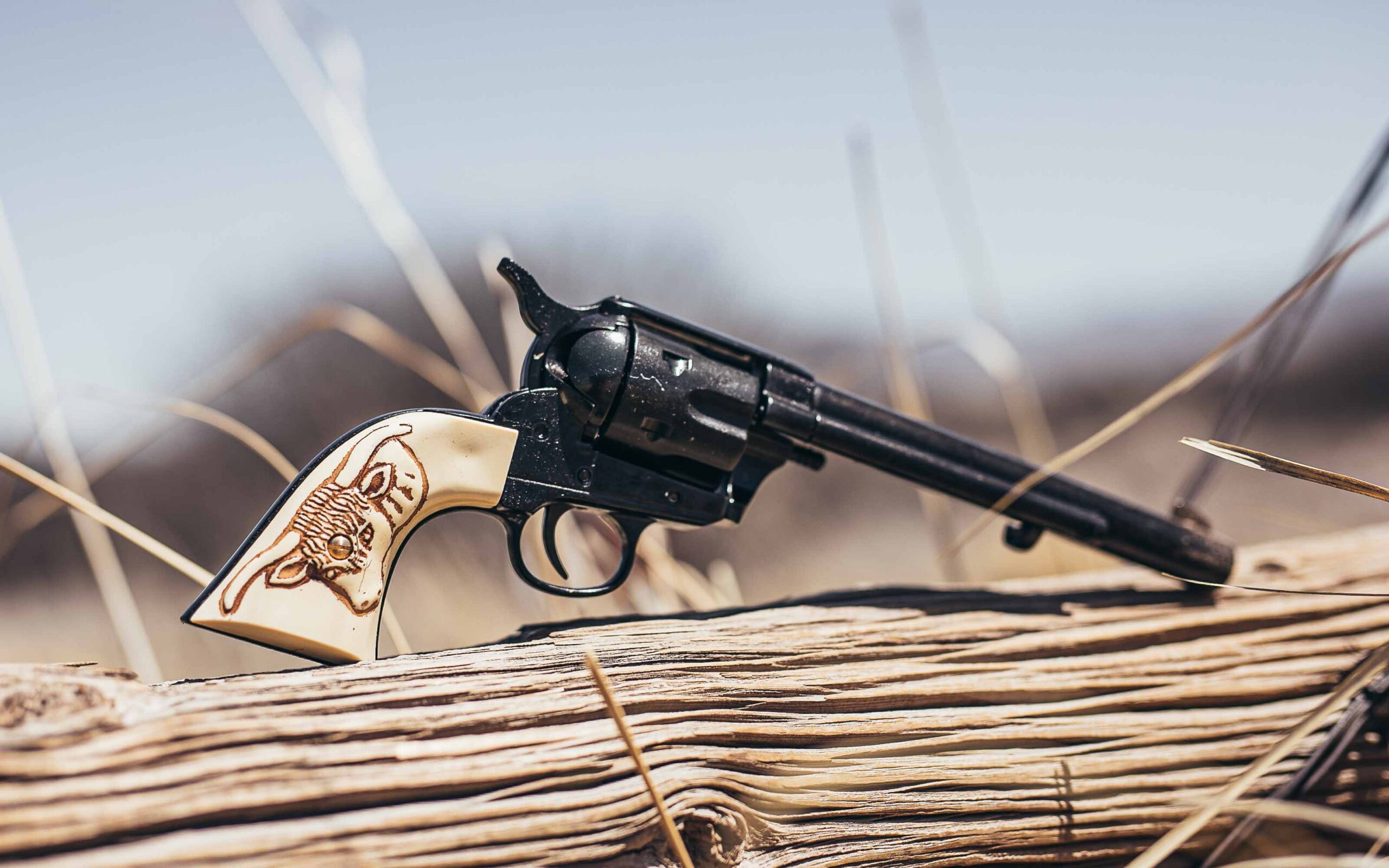
Ideal for: Kolser replica revolvers, lever-action rifles, cavalry models
Supporting items: leather holsters, playing cards, sheriff badges, horseshoe nails, ranch tools
2. Early American Colonial
Ideal for: flintlock pistols, long rifles, dueling models
Supporting items: parchment maps, wax seals, quill pens, wooden powder flasks
3. European Military or Napoleonic Era
Ideal for: ornate pistols, officer swords, presentation pieces
Supporting items: medals, uniform buttons, period documents, regimental flags
4. Pirate or Maritime Themes
Ideal for: blunderbuss replicas, boarding pistols
Supporting items: nautical maps, rope coils, coins, compass replicas
Choose a theme that fits your favorite pieces and expand your display as your collection grows.
What Backgrounds and Surfaces Create a Museum-Level Look?
Background selection is one of the most important and often overlooked parts of display design. Museums almost always use neutral, historically relevant materials that keep attention on the firearm.
Consider these trusted, collector-approved backgrounds:
Neutral Backdrops
- Black velvet or felt: for high-contrast, luxury presentation
- Deep green or burgundy felt: for 18th or 19th century themes
- Matte wood planks: for rustic or frontier-style displays
- Linen fabric: for colonial and maritime arrangements
Mounted Displays
If you prefer wall-mounted arrangements, choose:
- Shadowboxes with soft interior lighting
- Glass-front wood frames
- Floating shelves with discreet hardware
Avoid shiny or reflective surfaces that can compete with the replica’s metallic details. Matte materials always photograph and display better.
How Should You Arrange Replica Firearms for Historical Accuracy?
Once your background is set, arrangement becomes the key to accuracy. Museums rely on simple guidelines:
1. Group Items by Era
Do not mix Old West pieces with European Napoleonic models unless you are intentionally creating a multi-era exhibit.
2. Match Accessories to the Correct Period
For example, pair a colonial flintlock with parchment maps, not a 1900s military badge.
3. Use Diagonal Angles
Placing pistols and revolvers at slight angles gives movement to the scene and reveals more detail.
4. Create Depth
Layer items by placing documents, fabric, or tools behind and slightly beneath the replica.
5. Keep the replica in focus.
Props should support the firearm, not overshadow it. A ratio of one firearm to two or three small props keeps the display balanced.
How to Use Props to Enhance Historical Context
Props help set the scene, but they must be used carefully. Choose items that feel natural to the time period.
Examples include:
- Leather gloves, belts, or holsters
- Maps, passports, travel documents
- Coins, badges, or medals
- Rope, wax seals, or scrolls
- Powder horns or shot pouches
Many collectors also include books that reference the time period or famous figures connected to the weapon, such as Wyatt Earp, Wild Bill Hickok, Napoleon, or maritime explorers.
Keep props clean and complementary. They should add story value without cluttering the scene.
Should You Add Lighting to Your Display?
Lighting is essential if you want your display to look elevated.
Use warm, indirect light to bring out wood grain, metal engraving, and brass details. Avoid direct overhead bulbs that create hard reflections.
Recommended options:
- LED museum puck lights for shadowboxes
- Soft warm strip lights built into shelves
- Accent lamps mounted above or beside the display
Cool white light tends to wash out brass and nickel finishes. Warm lighting creates a richer, more authentic atmosphere.
How Can You Safely Display Replica Firearms?
Even though Trigger Replicas sells non-firing historical replicas, safety and responsible display still matter.
Follow these basic guidelines:
- Never position displays where they can be seen through street-facing windows
- Keep pieces out of reach of unsupervised children
- Secure wall mounts properly
- Use display cases when possible to prevent dust or accidental drops
Responsible presentation helps maintain the reputation of replica collectors and ensures your pieces remain in top condition.
Why a Historically Accurate Display Increases Long-Term Value
Collectors, museums, filmmakers, and reenactors all appreciate replicas that have been cared for and documented. A good display acts as both protection and presentation.
Over time, this can:
- Increase interest from buyers
- Help you catalog your collection
- Support museum loans or historical exhibits
- Make your display an impressive focal point in your home
Thoughtful curation reflects the same passion that goes into the craftsmanship of each replica.
FAQs About Building a Historically Accurate Replica Firearm Display
What props are safe to use around replica firearms?
Use soft, non-abrasive props such as paper, cloth, leather, and wood. Avoid rough metal accessories that can scratch finishes.
Is it better to mount replicas on walls or keep them in cases?
Both options work. Wall mounts create dramatic visual displays. Cases protect from dust and touch. Choose based on how often you handle your pieces.
Should I store replicas vertically or horizontally?
Horizontal placement is best for shelves or tabletop displays. Vertical mounts work well for long guns and rifles as long as they are supported securely.
Can I mix replicas from different eras in one display?
Yes, but only if the theme is intentional, such as “weapons of the American frontier through the Civil War.” Otherwise, keep eras separate for historical clarity.
How often should I clean and rearrange my display?
Dust lightly every one to two weeks and review arrangement every few months to update props, lighting, or backgrounds.