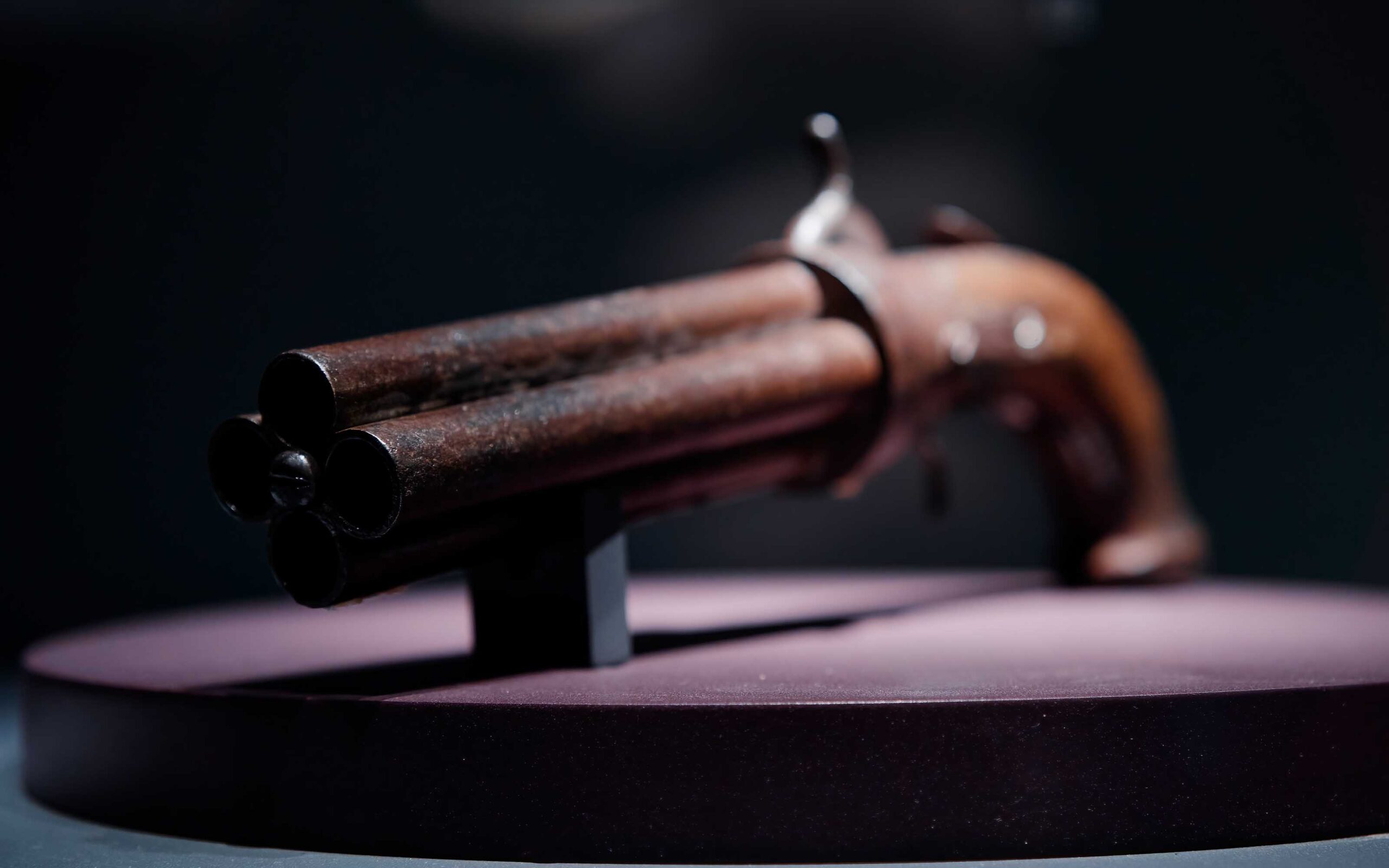
Replica firearms play an important role in education, historical preservation, film, theater, and reenactment. Trigger Replicas specializes in providing non-firing historical weapon replicas that are designed for safe display and responsible use. However, even when a replica is completely non-firing, how it is displayed or used in public settings matters. Ethical handling helps prevent misunderstandings, protects public safety, and preserves the credibility of collectors, reenactors, and production teams.
This guide explains how to display and use non-firing replica guns responsibly, why ethics matter, and what best practices help ensure safety and respect in public or semi-public spaces.
Replica weapons are non-functional reproductions of historical or modern firearms designed for display, costuming, education, or performance. While they cannot fire, many replicas are visually indistinguishable from real weapons at a distance.
Ethics matter because public perception does not rely on technical details. A passerby, audience member, or law enforcement officer may not know whether an object is real. Ethical use focuses on minimizing fear, avoiding confusion, and respecting the safety of others.
Responsible behavior protects not only the public but also the future availability and acceptance of replica weapons in educational and creative spaces.
Even inert replicas can trigger real-world consequences if handled improperly. Common risks include:
Ethical use is not about restricting enjoyment or creativity. It is about understanding how replicas are perceived outside controlled environments.
When replicas are displayed publicly, visibility and context are critical.
Best practices include:
A well-labeled and thoughtfully arranged display communicates intent clearly and reduces misinterpretation.
Reenactments and productions often require realism, but safety and respect must remain the priority.
Ethical guidelines include:
Ethical reenactment balances authenticity with awareness of modern public safety expectations.
Transportation is one of the most sensitive moments for replica weapon handling.
Responsible transport includes:
Proper transport reduces the risk of accidental exposure and demonstrates professionalism.
Ethics extend beyond physical handling. Communication plays a major role.
Clear communication includes:
When people understand the purpose and safety measures in place, trust increases and conflict decreases.
Responsible handling protects more than individual users. It helps:
Ethics are not limitations. They are safeguards that allow replica culture to thrive responsibly.
Are non-firing replica guns legal to display in public?
Laws vary by location. While replicas are often legal to own, public display may require permits, signage, or prior notification. Always check local regulations before public use.
Should replica guns be marked or labeled?
Yes. Clear labeling or contextual signage helps prevent misunderstandings and supports ethical display practices.
Can replica weapons be used in film or theater without restrictions?
No. Most venues require advance disclosure, safety protocols, and sometimes coordination with local authorities, even for non-firing replicas.
Is it ethical to carry a replica gun as part of a costume?
Only in controlled environments, such as conventions or reenactments with clear rules. Open carry in uncontrolled public spaces is strongly discouraged.
Why do ethics matter if the replica cannot fire?
Because perception drives response, ethical handling reduces fear, prevents escalation, and protects everyone involved.
Replica weapons are valuable tools for preserving history and supporting creative work. Ethical display and use ensure these tools remain respected, legal, and safe. By prioritizing clarity, communication, and public awareness, collectors and creators help protect both their craft and the communities around them.
If you are selecting a historically accurate, non-firing replica for display, reenactment, or production use, knowledgeable guidance can help ensure your choice is appropriate, legal, and display-ready.
If you have questions about choosing a historically accurate, non-firing replica or need guidance on safe display, transport, or use for reenactments, film, or educational settings, contact us for knowledgeable assistance. Getting expert input helps ensure your replica is appropriate for its intended purpose and handled responsibly.